Relays are fundamental components used in electrical and electronic systems to control circuits, allowing a low-power signal to switch high-power devices. One of the most crucial aspects of a relay’s operation is its current characteristics, commonly referred to as “Relay Current.” Understanding relay current is essential for selecting the right relay for specific applications and ensuring that it operates safely and efficiently. In this article, we will explore the different types of relay currents and their implications for relay performance.
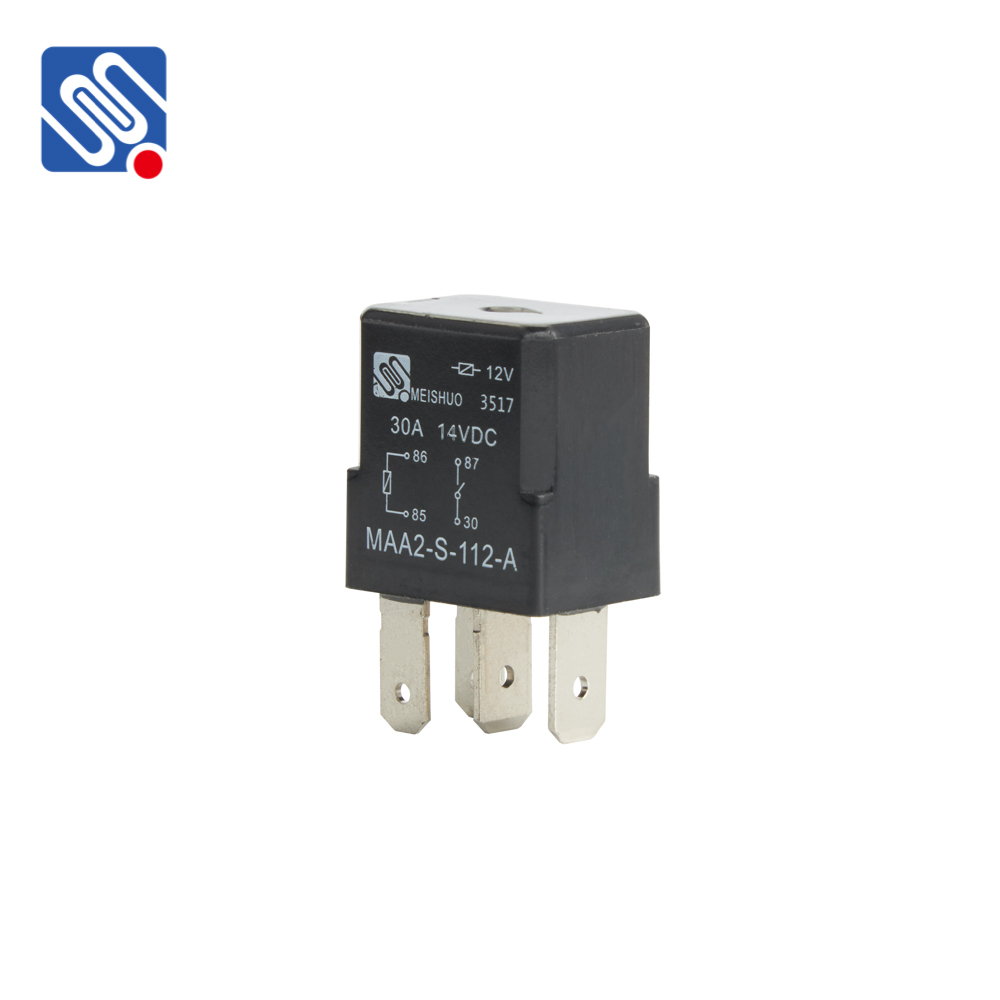
What is Relay Current? Relay current generally refers to the electrical current that flows through the relay coil or its contacts. A relay typically has two main current characteristics: the coil current and the contact current. Each of these plays a different role in how the relay operates and affects its application in various circuits. 1. Coil Current (Excitation Current) The coil current is the electrical current required to energize the relay coil. When a voltage is applied across the coil, it generates a magnetic field that attracts the relay’s armature, causing it to move and switch the relay’s contacts. The coil current is typically a low current, and it is proportional to the voltage applied to the coil and the resistance of the coil itself.