Relay current is a crucial concept in the operation of relays, which are widely used in electrical circuits for switching and controlling power. A relay is an electromagnetic device that allows a small electrical current to control a larger current. The current flowing through the relay coil generates a magnetic field that moves the armature, which in turn switches the relay contacts. Understanding relay current, both in terms of coil current and contact current, is essential for the correct application and reliable performance of relays. This article will delve into the importance of relay current, the types of current associated with relays, and its practical implications.
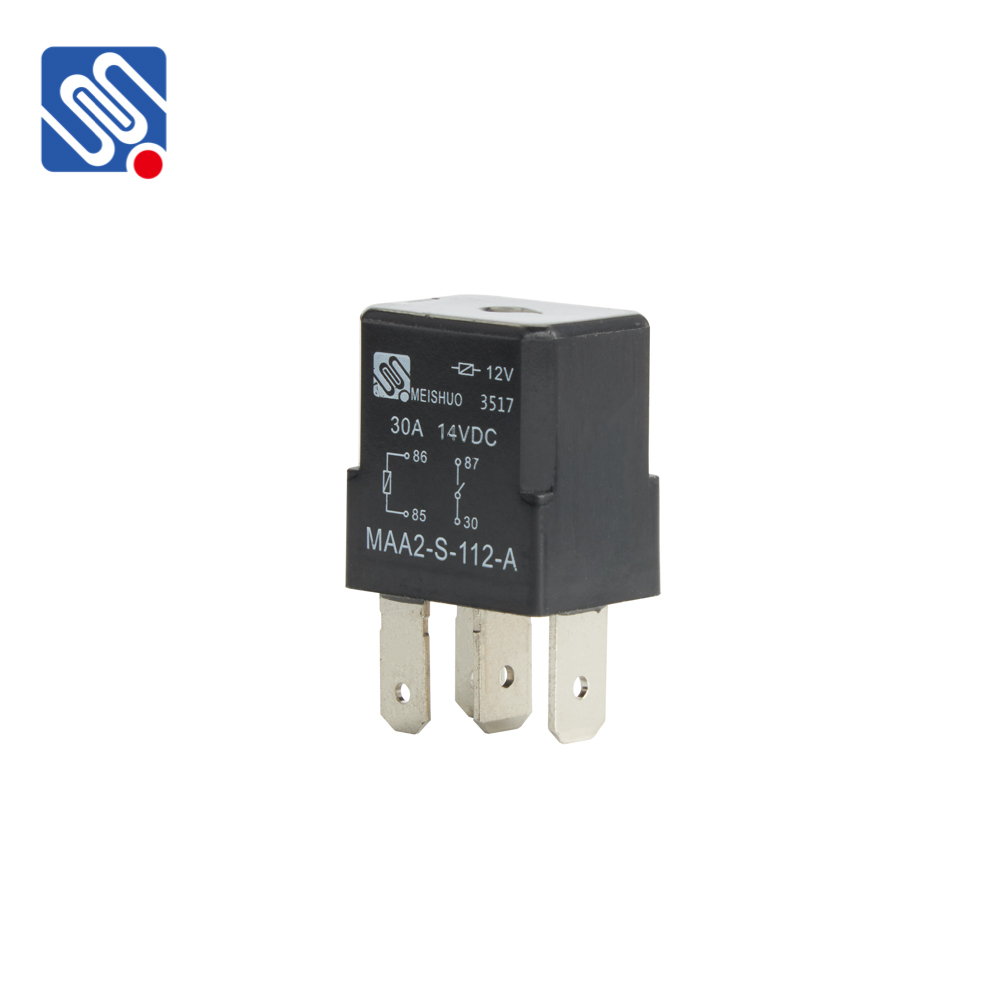
1. The Basics of Relay Operation At its core, a relay is designed to use a small current to control a larger current. It operates through the principle of electromagnetism. When an electric current flows through the coil of the relay, it generates a magnetic field that attracts a movable armature. This armature then opens or closes contacts, completing or breaking an electrical circuit. There are two main types of current in a relay: Coil current: This is the current required to energize the relay and create the magnetic field. Contact current: This is the current that flows through the relay’s contacts when they are closed, typically controlling the connected load.