Relay connectors are vital components in electrical systems that enable the proper functioning of relay devices. Relays are electromagnetic switches used in various applications to control the opening and closing of electrical circuits. These switches play a significant role in controlling power, managing electrical loads, and enhancing system safety. Relay connectors, in turn, are responsible for ensuring seamless electrical connections between the relay and other system components. Understanding the function, types, and applications of relay connectors is crucial for anyone working in fields related to electrical engineering, automotive systems, industrial automation, or any other domain that utilizes relays.
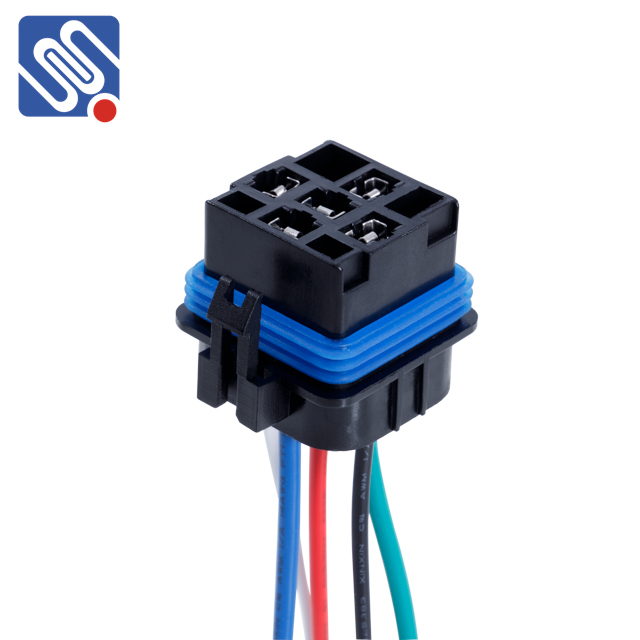
What Are Relay Connectors? Relay connectors are specialized connectors that link relays to the circuit they control. The relay itself serves as a switch that opens or closes electrical circuits in response to an electrical signal. However, for the relay to be useful, it needs to be electrically connected to the control and power circuits, which is where relay connectors come in. These connectors ensure a secure and efficient pathway for electrical signals and power to flow from one component to another. Typically, relay connectors consist of a plastic housing and metal contacts. The housing provides insulation to prevent accidental short circuits, while the metal contacts ensure a stable and reliable electrical connection. Most connectors are designed to be easily installed and removed, making maintenance and replacement of relays a hassle-free process.