Relay connections play a vital role in modern communication systems, ensuring data transmission across various devices and networks. As technology evolves, the need for reliable, efficient, and secure communication continues to rise, making relay connections increasingly important. This article aims to explore the different aspects of relay connections, their applications, and their significance in ensuring seamless connectivity.
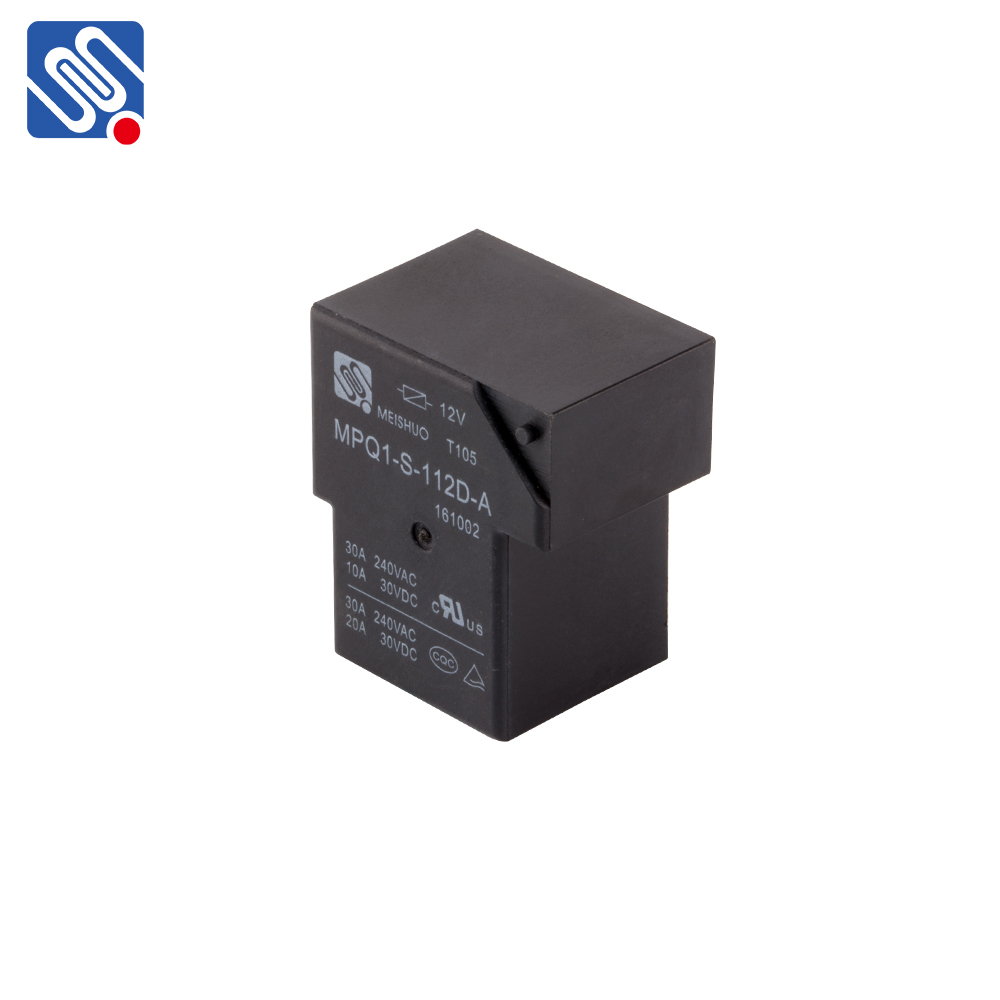
At its core, a relay connection refers to a method by which a communication signal is received, processed, and forwarded to its intended destination. This technique is commonly used in both wired and wireless networks to enhance signal strength and extend transmission distance. The basic components of a relay connection usually include a transmitter, a relay device, and a receiver. One of the most prominent applications of relay connections is in networking. In large-scale networks, data packets often need to traverse multiple subnets or paths to reach their endpoints. Routers and switches act as relay devices, forwarding packets based on predefined rules and algorithms. This process not only ensures that data travels the most efficient route but also maintains the integrity of the information being transmitted.