Relay compatibility is a critical concept in modern electrical and electronic engineering, playing a vital role in ensuring the safe and efficient operation of various systems. A relay, essentially an electrically operated switch, is widely used to control circuits by opening or closing contacts in response to an input signal. However, selecting the right relay for a specific application requires a clear understanding of compatibility factors, as improper matching can lead to system failure, reduced lifespan, or even safety hazards.
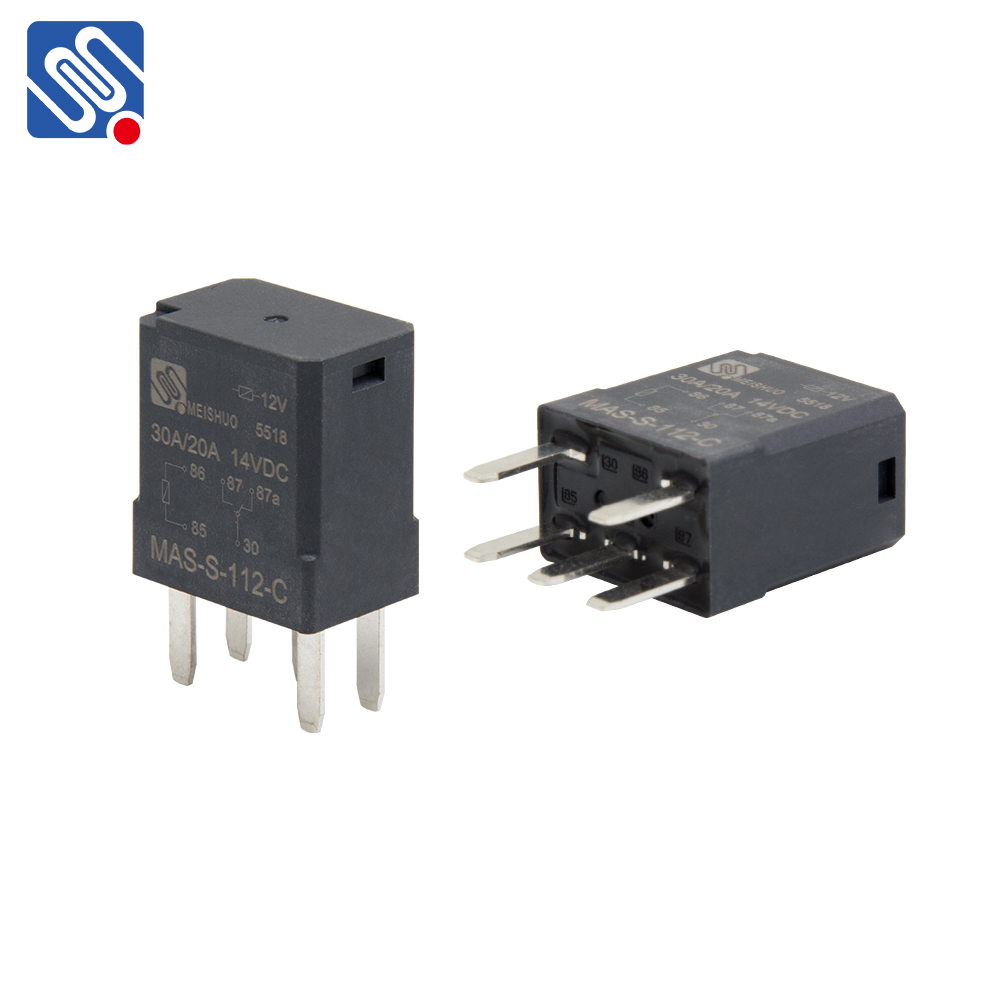
One of the primary aspects of relay compatibility is voltage matching. Relays are designed to operate at specific coil voltages, such as 5V, 12V, or 24V. If the applied voltage is too low, the relay may fail to activate; if it is too high, it may overheat or become damaged. Therefore, engineers must ensure that the control signal voltage aligns precisely with the relay’s rated coil voltage. Another important factor is current handling capacity. Relays are used to switch loads that may draw significant current, such as motors, heaters, or lighting systems. Each relay has a maximum current rating for its contacts. If the load current exceeds this rating, it can cause contact welding, overheating, or premature wear. Thus, ensuring compatibility between the relay’s current rating and the load requirements is essential for reliable performance.