Relay compatibility is a crucial concept in electrical and automation systems. A relay serves as an electrically operated switch, commonly used in control systems to manage the flow of electricity to various devices. It is widely used in everything from industrial machinery to home appliances, providing a simple yet efficient means of controlling electrical circuits. However, ensuring that relays are compatible with the systems they are integrated into is essential for preventing malfunctions, improving system performance, and extending the lifespan of both the relay and the equipment it controls. This article explores the factors that impact relay compatibility and the best practices for selecting the right relay for your system.
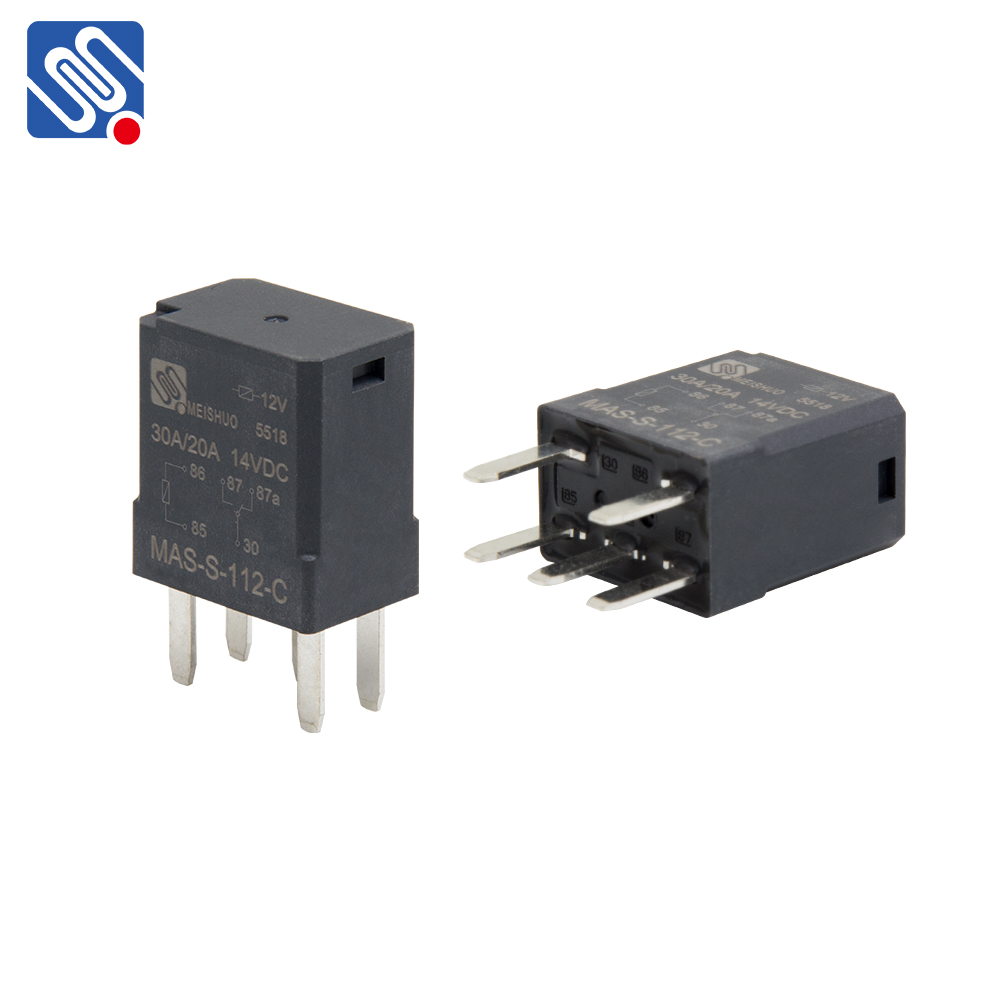
1. Voltage and Current Rating One of the most critical aspects of relay compatibility is matching the relay’s voltage and current ratings to the specifications of the system it will control. Relays are designed to handle a specific range of voltages and currents, which should align with the operating conditions of the device being controlled. If a relay with a lower voltage or current rating is used in an application, it may not be able to handle the load, potentially causing overheating, short circuits, or even failure. Conversely, selecting a relay with a higher rating than necessary can be wasteful, unnecessarily increasing the cost and size of the system.