A relay circuit is a crucial component in modern electrical systems, used widely to control high-power devices with low-power signals. These circuits provide a safe and efficient method of controlling electrical devices, especially in applications where isolation between the control and load circuits is necessary. In this article, we will explore the fundamental principles of relay circuits, their applications, and how they are designed and utilized in various electronic systems.
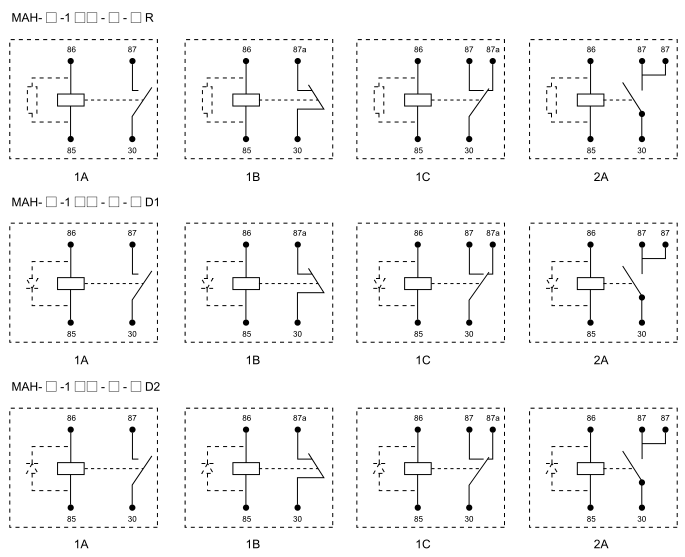
What is a Relay Circuit? A relay is an electrically operated switch that uses an electromagnet to mechanically operate a set of contacts. It consists of a coil, an iron core, and a set of contacts (usually two or more). When current flows through the coil, it creates a magnetic field that pulls the iron core, which in turn moves the contacts from one position to another. This action allows the relay to control the flow of electricity in another circuit. Relays can switch both AC (Alternating Current) and DC (Direct Current) signals, depending on the design. They provide electrical isolation between the control side (low-power circuit) and the load side (high-power circuit), which is important for protecting delicate control equipment from voltage spikes or surges in the load circuit.