Relay circuit design is an essential aspect of electrical engineering, especially in automation and control systems. Relays function as electrically operated switches, enabling the control of larger power loads with much smaller control signals. Understanding the principles behind relay circuit design is crucial for engineers and hobbyists alike as they create innovative and efficient electrical systems.
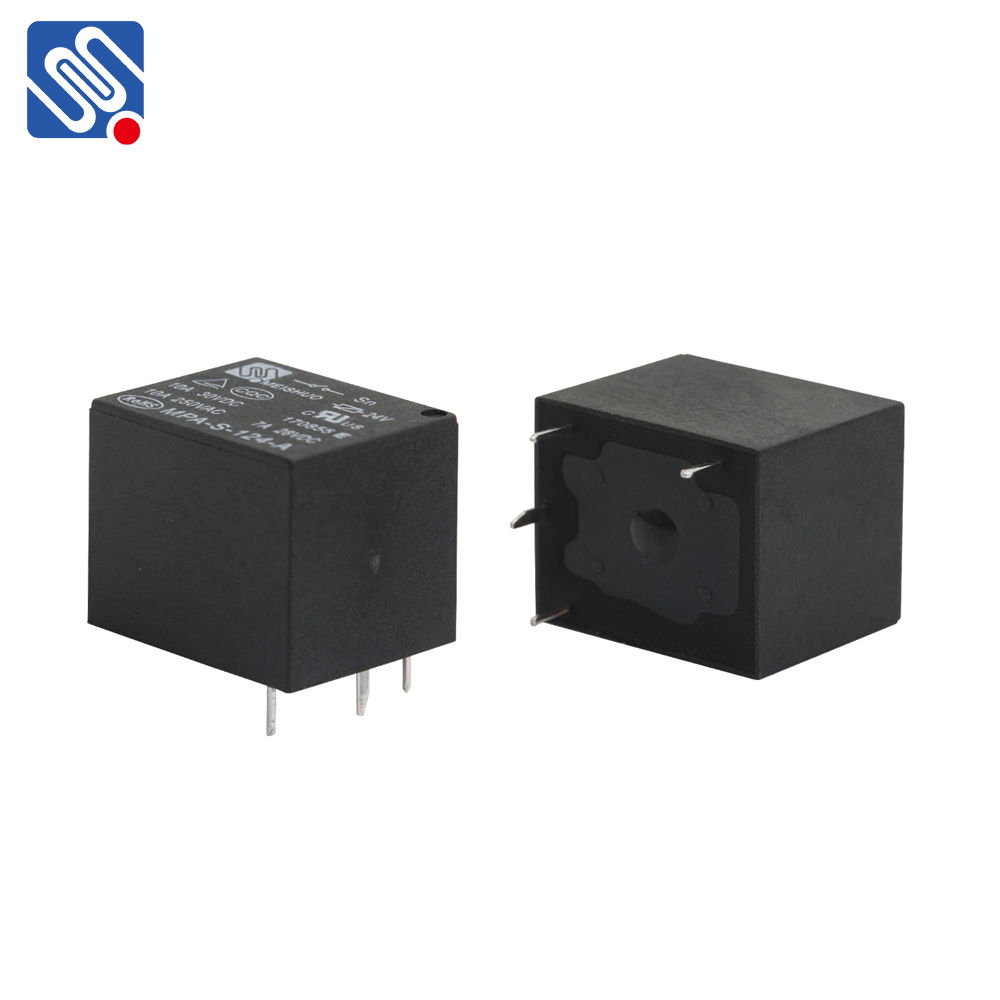
Principles of Relay Operation At its core, a relay consists of an electromagnetic coil, a movable armature, and a series of contacts. When an electrical current passes through the coil, it generates a magnetic field that attracts the armature, either closing or opening the contacts depending on the relay’s configuration. This action allows the relay to switch high-voltage loads without the need for direct human intervention, thus enhancing both safety and efficiency in electrical systems. Relays can operate in several configurations: normally open (NO) and normally closed (NC). In a NO relay, the circuit is open when the relay is de-energized and closes when it is energized. Conversely, the NC relay remains closed until energized, then it opens. This fundamental behavior allows relays to serve a myriad of functions in electrical designs, from simple switches to complex automation sequences.