Relay circuits are critical components in modern electronic systems, allowing for the control of high-powered devices using low-voltage signals. A relay works as an electrically operated switch that uses electromagnetism to close or open a circuit, making it invaluable in various applications, such as automation, industrial control systems, and home appliances. In this article, we will explore the fundamental principles of relay circuit design, its components, and practical applications while addressing key considerations during the design process.
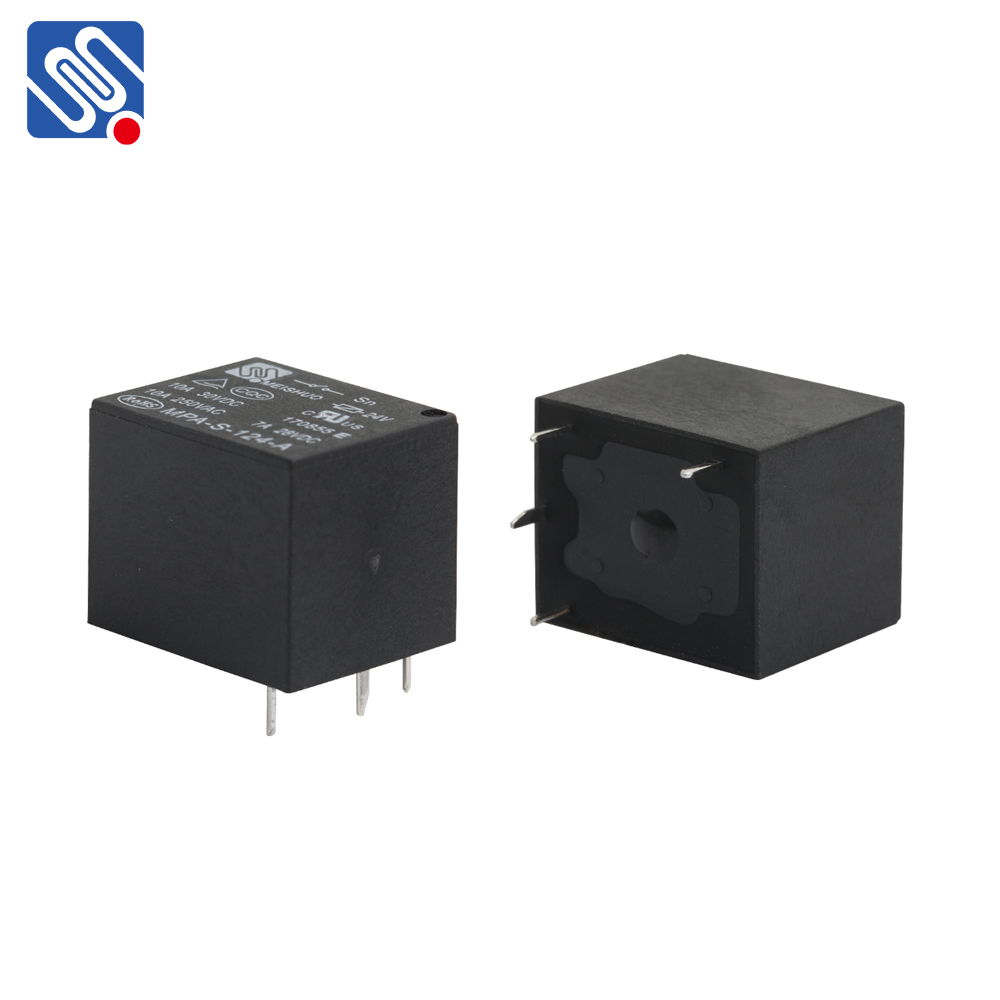
Basics of Relay Operation At its core, a relay consists of two primary parts: a coil and a set of contacts. When an electrical current flows through the coil, it generates a magnetic field, which activates an armature that either opens or closes the contacts. This process can control a separate circuit, allowing a low-power control signal to switch a high-power load. Relays can be categorized into mechanical relays, solid-state relays, and specialty relays, each serving unique functions depending on the application. Choosing the Right Relay One of the first steps in relay circuit design is selecting the appropriate relay. This involves considering various factors, including load requirements, operating voltage, and switching capacity. For instance, if you aim to control a 240V AC motor, you must choose a relay rated for both the voltage and current specifications of that motor. Additionally, consider the type of relay best suited for your application—mechanical relays are typically cost-effective and widely used, while solid-state relays offer faster switching times and longer operational life, making them suitable for high-speed applications.