A relay circuit is an essential component in various electronic and electrical systems. It acts as an electrically operated switch that allows small currents to control larger currents, providing a wide range of applications from automation to protection systems. In this article, we will explore the basic principles of relay circuits, their key components, and the various ways they are used in everyday technology.
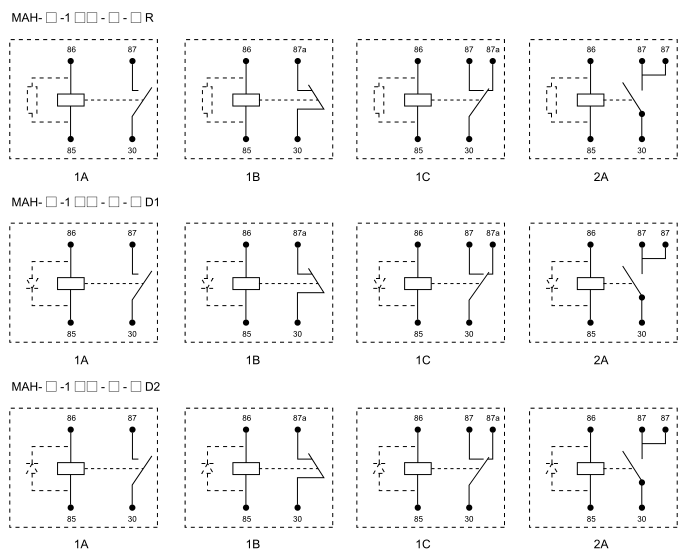
What is a Relay Circuit? At its core, a relay circuit consists of an electromagnetic switch that controls the connection between two or more electrical contacts. It is composed of three primary parts: a coil, contacts, and an actuator. When current flows through the coil, it generates a magnetic field that moves a mechanical switch, either opening or closing the contacts. This allows a small control signal (low voltage and current) to control a much larger electrical load (high voltage and current). The relay circuit essentially acts as a middleman, enabling low-power devices to control high-power equipment, which is particularly useful in applications where direct switching might be dangerous or impractical.