Relay assembly is a crucial process in the manufacturing and integration of electromechanical devices that control the flow of electric current in various applications. Understanding the intricacies of relay assembly is essential for engineers, technicians, and manufacturers aiming to ensure the reliability and efficiency of their electrical systems. In this article, we will explore the components, assembly processes, testing, and applications of relay assemblies, as well as the future trends that influence their evolution.
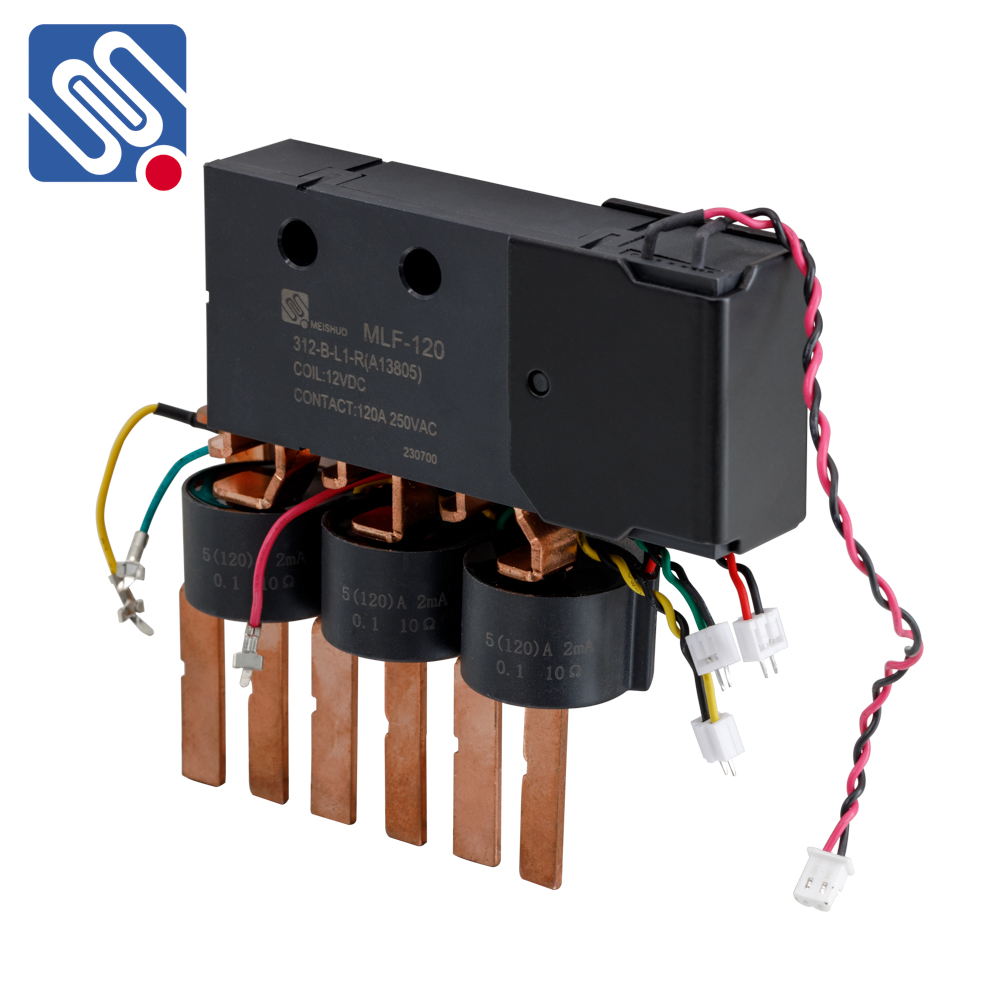
Components of Relay Assemblies At its core, a relay consists of several key components, each playing a vital role in its functionality. The primary components include: Coil: The relay coil is an electromagnetic component that generates a magnetic field when an electrical current passes through it. The strength of this magnetic field is responsible for the operation of the relay. Contact Points: Relay contact points are the conductive components that open or close to either allow or interrupt the flow of electricity. These can be categorized into Normally Open (NO) and Normally Closed (NC) contacts. NO contacts allow current to pass when the relay is activated, while NC contacts do the opposite.