Relay assembly is a fundamental process in electrical engineering that involves the systematic construction of a relay, an essential device used to control circuits by opening or closing contacts in response to electrical signals. Relays are widely applied in various industries, including automotive, telecommunications, home appliances, and industrial automation, due to their ability to handle high voltage or current while being operated by a low-power signal. Understanding relay assembly not only provides insight into the inner workings of these devices but also highlights the precision and care required in manufacturing reliable electrical components.
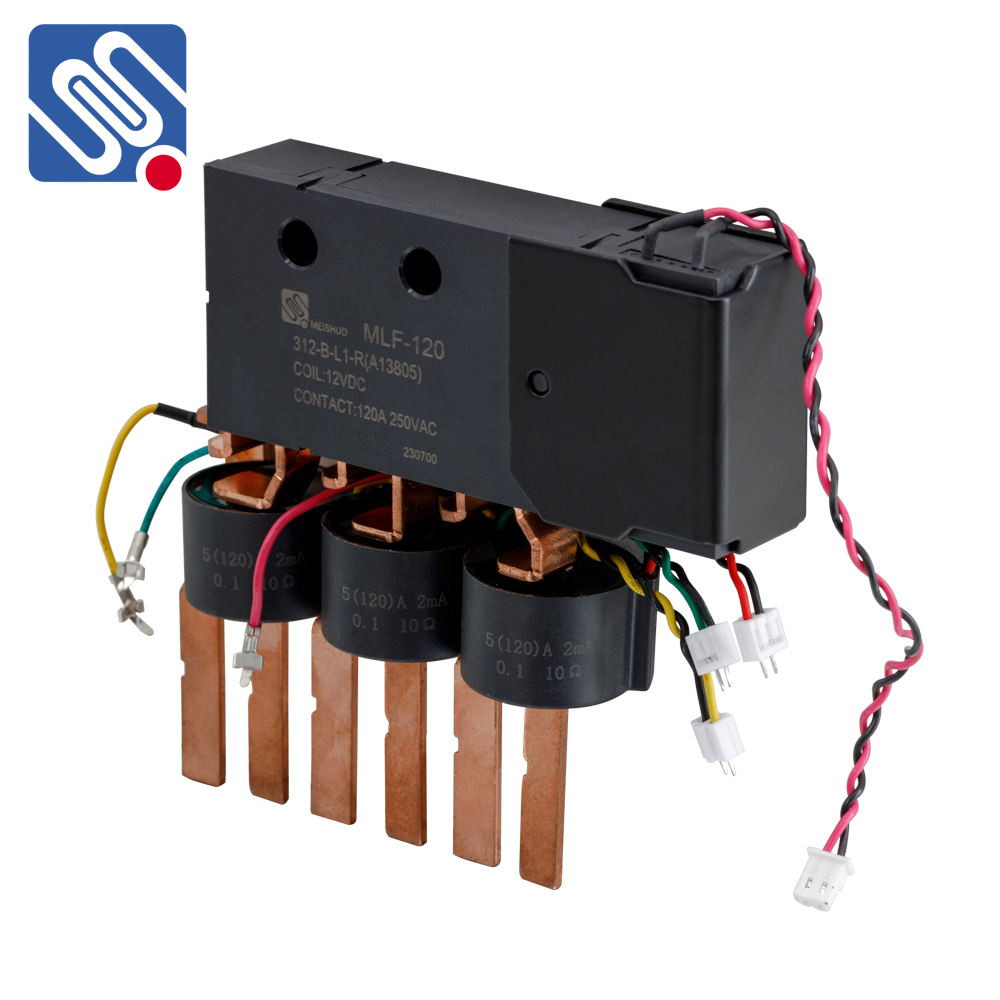
The first step in relay assembly is component preparation. A standard relay typically consists of a coil, an armature, contacts, a spring, a frame, and sometimes a magnetic core. Each part serves a unique function. The coil generates a magnetic field when energized, which moves the armature. The armature, connected to the contacts, acts as a mechanical switch, while the spring ensures the armature returns to its original position when the coil is de-energized. Ensuring that all components are free from defects and meet precise specifications is crucial for the relay’s performance. Once components are prepared, the assembly process begins with the installation of the coil. The coil must be wound correctly and positioned accurately within the relay frame. Any misalignment could reduce magnetic efficiency or interfere with the movement of the armature. Next, the contacts are carefully mounted. These contacts are the points that make or break the electrical connection. Proper alignment is critical, as even a minor deviation can cause inconsistent operation, leading to circuit failures or reduced relay lifespan.