In the world of electrical engineering and automation, relays play a pivotal role in controlling circuits and devices. Relay application notes serve as essential resources, providing detailed insights into the usage, wiring, specifications, and applications of relays across various industries. This article aims to offer a comprehensive overview of relay application notes, delivering valuable information to engineers, technicians, and hobbyists alike.
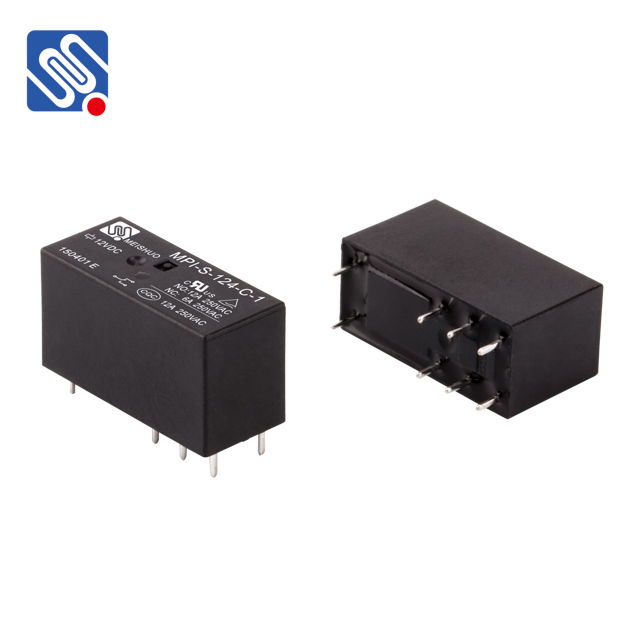
What is a Relay? A relay is an electromechanical switch that operates based on an electromagnetic coil. When a low-voltage signal is applied to the coil, it generates a magnetic field, causing a nearby switch to either open or close, thus controlling a larger electrical circuit. Relays are classified into several types, including electromagnetic relays, solid-state relays, and reed relays, each with unique characteristics and applications. Importance of Relay Application Notes Relay application notes serve several important purposes. Firstly, they provide essential information for selecting the right relay for specific applications. Factors such as the type of load (AC or DC), voltage and current ratings, and environmental conditions play a critical role in determining the suitable relay type. Application notes guide users through this selection process, ensuring that the chosen relay can perform reliably under the expected conditions.