A power relay is an essential component in modern electrical systems, designed to control the switching of large electrical loads with low-voltage signals. This device acts as an intermediary between a control circuit and a power circuit, enabling automatic operation of high-power devices without direct human intervention. Whether in industrial automation, home appliances, or power distribution systems, the power relay plays a critical role in ensuring the safe and efficient operation of electrical systems. This article explores the working principles, various types, and common applications of power relays.
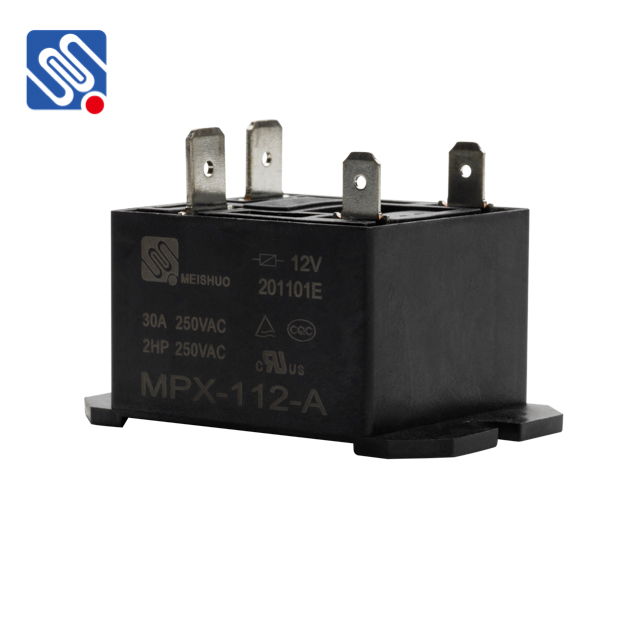
Working Principle of Power Relay The basic function of a power relay is to use a small control voltage to switch a larger current that powers heavy electrical equipment. This is achieved through the electromagnetic interaction between a coil and a set of contacts. When an electric current flows through the coil, it generates a magnetic field that either attracts or repels a movable contact, causing it to either close or open the circuit. This action allows the relay to control high-power circuits with a low-power signal. The relay’s design ensures that the control circuit (which typically operates at low voltages) and the power circuit (which handles high voltages) remain electrically isolated. This isolation helps protect sensitive control equipment and ensures safe operation of electrical systems.