Power relays play a pivotal role in modern electrical and electronic systems by acting as automated switches that control larger currents using a small control signal. Their ability to provide electrical isolation, safeguard circuits, and manage high-power devices makes them indispensable in various industrial and consumer applications. This article will explore the basic working principles of power relays, the different types available, and their key applications across different industries.
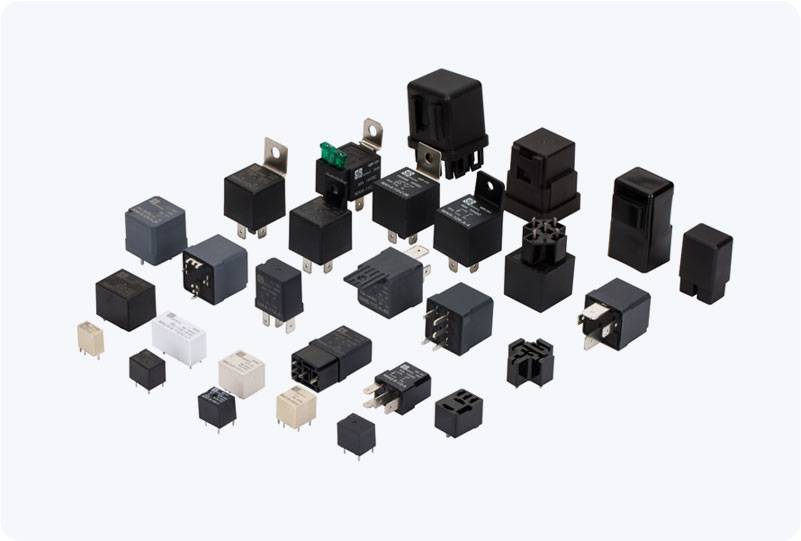
What is a Power Relay? A power relay is an electromechanical device that uses an electromagnet to operate a set of contacts, enabling the relay to open or close an electrical circuit. The relay allows a low-power input, typically from a control circuit, to manage a much higher current or voltage in the load circuit. By doing so, power relays ensure that complex systems can be controlled without directly handling high-power electrical circuits. The fundamental component of a power relay is the coil (electromagnet) and the set of mechanical contacts. When an electric current passes through the coil, it generates a magnetic field that moves an armature to either close or open the contacts, controlling the flow of electricity to the load. The controlled circuit can be connected to various devices such as motors, heating systems, and lighting, making the relay essential in both small-scale and large-scale applications.