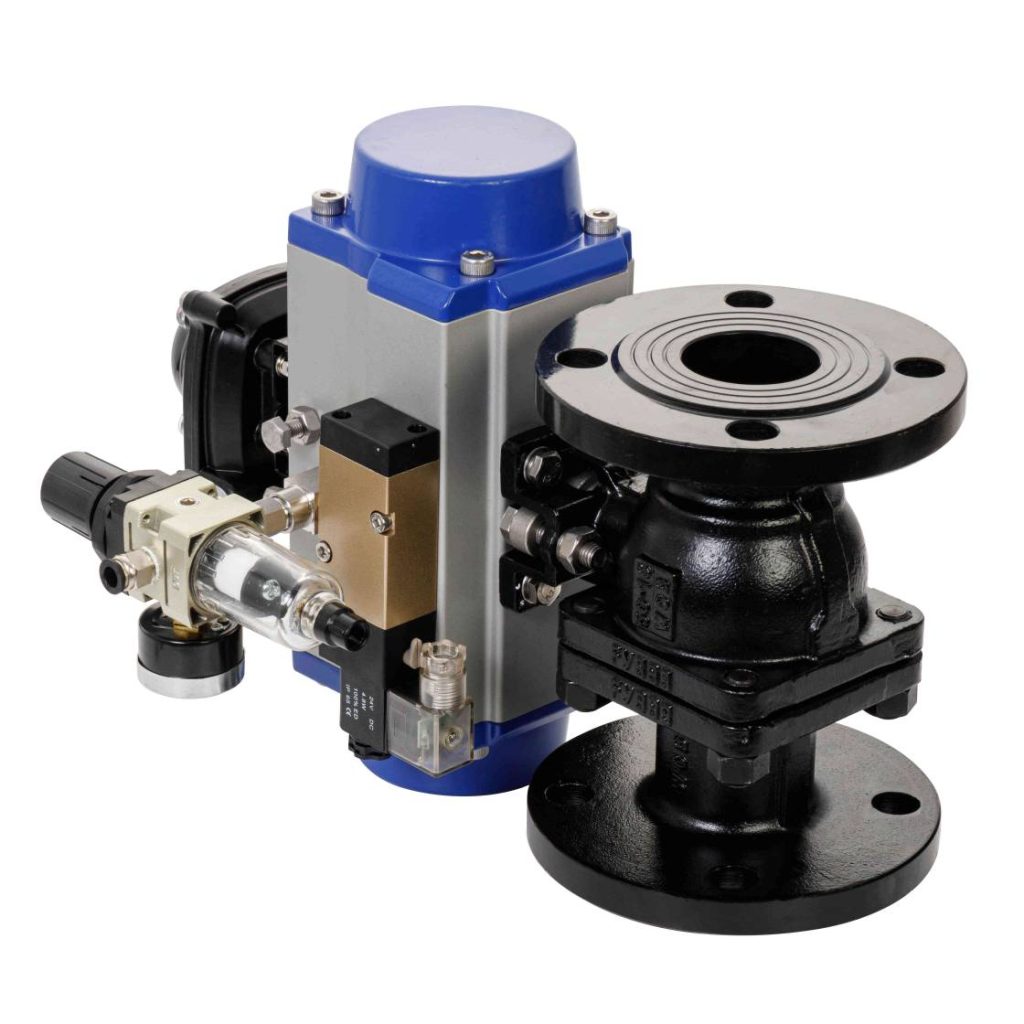
Pneumatic ball valves are crucial components in various industrial systems, utilized for regulating the flow of fluids and gases with high efficiency and reliability. These valves operate using compressed air to open and close the valve, which is designed with a spherical disc that controls the flow passage. The design and functionality of pneumatic ball valves make them ideal for a multitude of applications across diverse sectors, including oil and gas, water treatment, food processing, and pharmaceuticals.
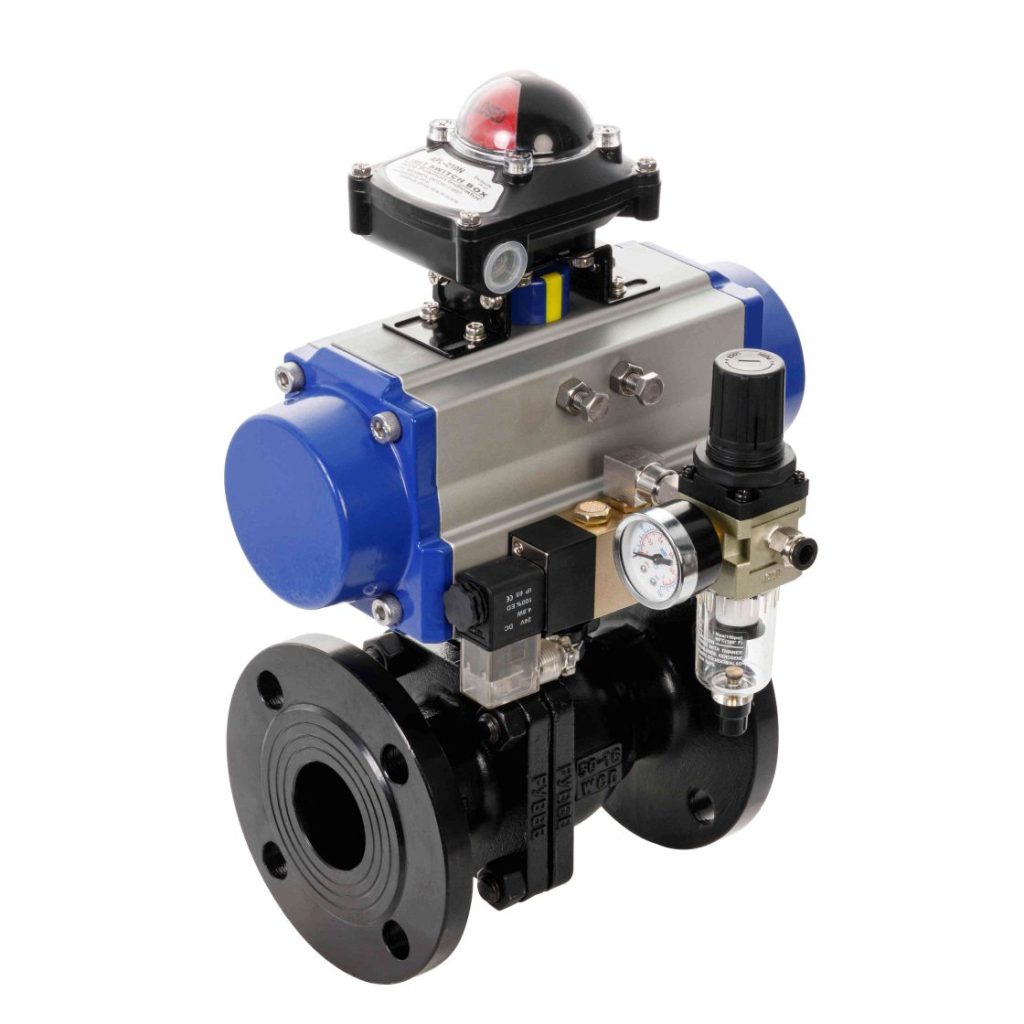
Structure and Operation
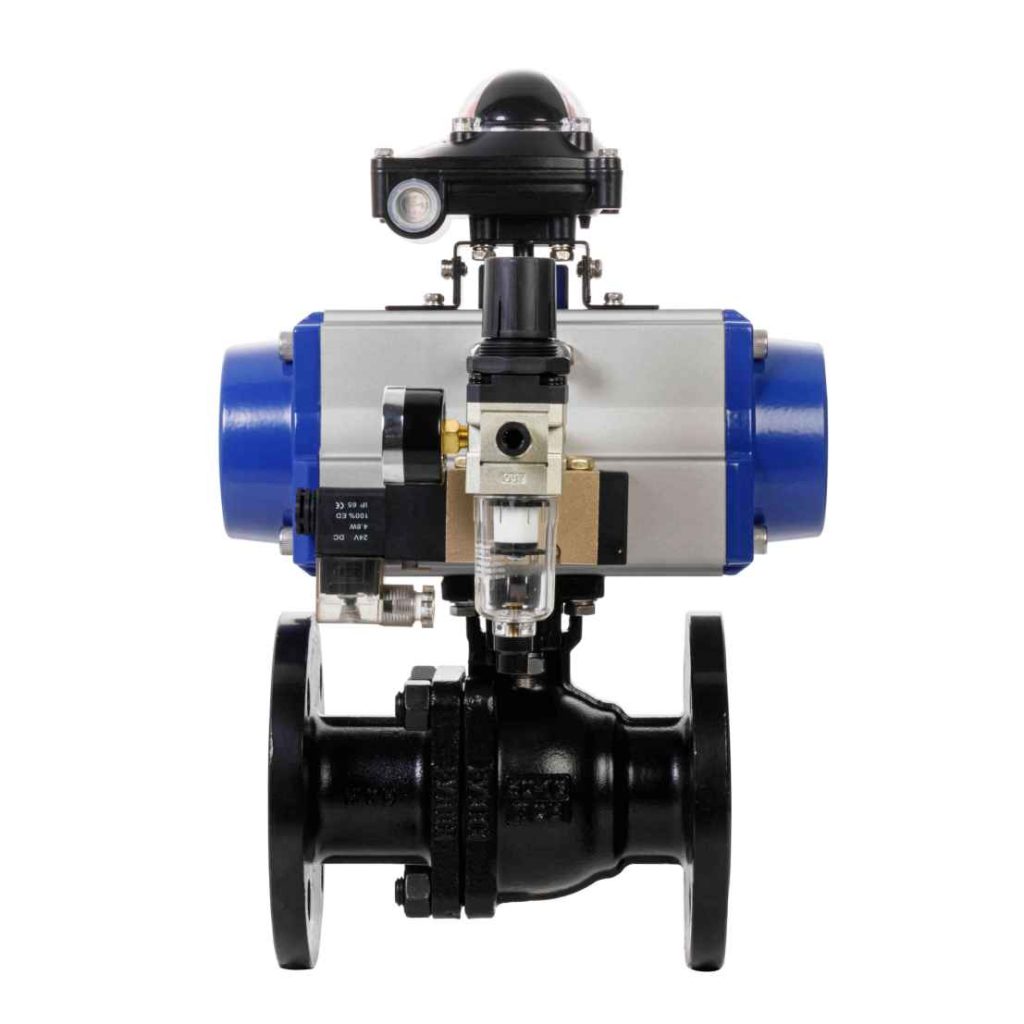
The fundamental structure of a pneumatic ball valve consists of three primary parts: the valve body, the ball, and the actuator. The valve body is typically made from materials such as stainless steel, brass, or plastic, designed to withstand high pressures and corrosive environments. The ball, which is a solid sphere with a hole through its center, acts as the flow control mechanism. The actuator, which is powered by compressed air, facilitates the movement of the ball to either open or close the flow passage. When the actuator receives a signal (usually in the form of compressed air), it rotates the ball by 90 degrees. In the open position, the hole in the ball aligns with the flow path, allowing fluid or gas to pass through. Conversely, when the actuator signals to close the valve, the ball rotates back, blocking the flow. This simple yet effective mechanism allows for rapid and precise control of the flow rate.