In the world of industrial automation, the need for efficient and reliable control systems is paramount. One of the key components that help achieve this is the PLC Control Relay. A Programmable Logic Controller (PLC) paired with control relays forms the backbone of many automated processes, offering both flexibility and precision in controlling machinery and processes. In this article, we will explore the basics of PLC control relays, their functionalities, and their significance in modern automation systems.
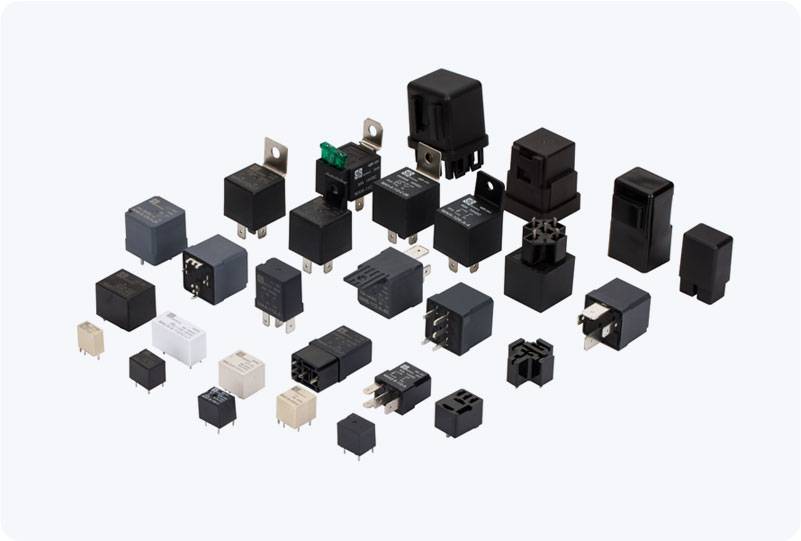
What is a PLC Control Relay? A PLC Control Relay is a hybrid device that combines the capabilities of a PLC with the function of a relay. While PLCs are designed to execute programmed logic and control various industrial processes, relays act as electromechanical switches that control power circuits. The PLC control relay integrates these two components, enabling the PLC to handle complex control tasks and the relay to physically manage electrical circuits. PLCs are programmed to perform logical operations, sequence events, and monitor inputs and outputs. The relay, on the other hand, is used to open or close electrical circuits in response to signals from the PLC. By combining these two, a PLC control relay offers an efficient solution for managing various industrial processes.