In the era of advanced industrial automation, the role of PLC Control Relay has become pivotal in streamlining processes and ensuring operational efficiency. A Programmable Logic Controller (PLC) is an industrial digital computer designed for the control of manufacturing processes or robotic devices, and when combined with control relays, it enhances the ability to execute complex tasks. This article explores the fundamental concepts, functionalities, applications, and benefits of PLC Control Relay systems.
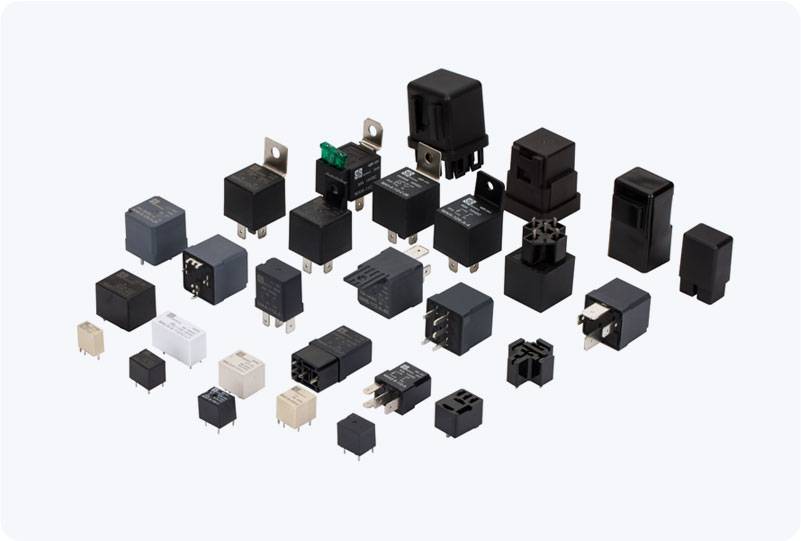
What is PLC Control Relay? A PLC Control Relay integrates the capabilities of a programmable logic controller and traditional relay control systems. The PLC serves as the brain of the operation, processing input signals from various sensors and executing control logic based on programmed instructions. Control relays, on the other hand, act as switches that can control high-voltage circuits with low-voltage input from the PLC. This synergy allows for precise control over various mechanical systems and processes. Core Functions of PLC Control Relay Logical Control Execution: PLCs can be programmed to carry out complex logical operations, such as AND, OR, and NOT functions. This programming capability allows for the precise control of machinery and systems. The control relays serve to execute these commands, providing a reliable mechanism for starting and stopping motors or activating alarms.