Plastic solenoid valves are widely used in various industries for fluid control, leveraging the combination of advanced technology and the advantages of plastic materials. These valves are equipped with an electromagnetic solenoid coil that opens or closes the valve to regulate fluid flow, offering a reliable, cost-effective solution in multiple fields. In this article, we will explore the features, applications, and benefits of plastic solenoid valves and discuss why they are increasingly becoming the preferred choice in fluid management systems.
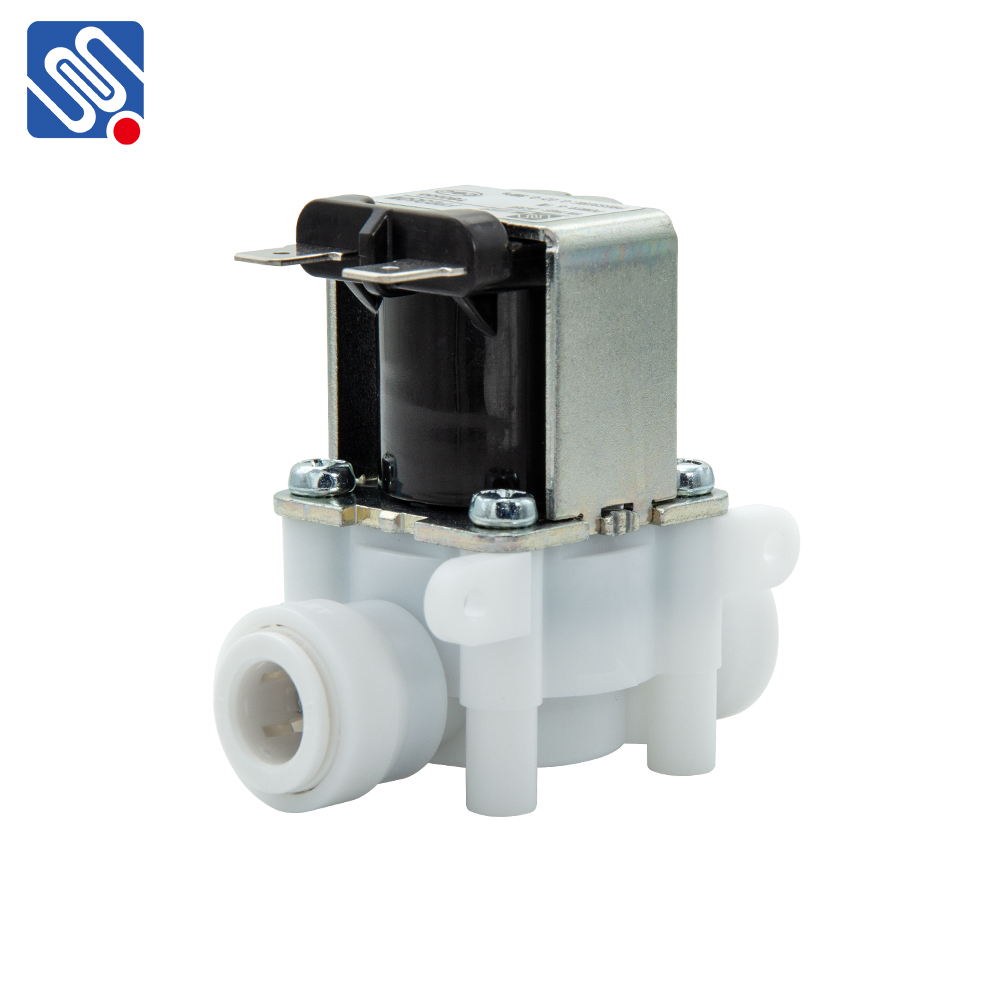
What is a Plastic Solenoid Valve? A solenoid valve is an electromechanical device used to control the flow of fluids through a pipe or system. The valve consists of a coil of wire (the solenoid) that, when energized by an electric current, generates a magnetic field. This magnetic field activates a plunger or armature inside the valve, moving it to open or close the valve’s flow path. In plastic solenoid valves, the valve body is made of plastic materials such as PVC (Polyvinyl Chloride), PP (Polypropylene), or PVDF (Polyvinylidene Fluoride), which offer specific advantages over traditional metal materials.