An Overload Relay is an essential device used in electrical systems, particularly for protecting electric motors from damage due to prolonged overload or sudden surge in current. These relays ensure that motors operate within their safe limits, preventing costly repairs, downtime, and extending the lifespan of the equipment. This article will explore the working principles, types, and applications of overload relays, highlighting their importance in modern electrical and industrial systems.
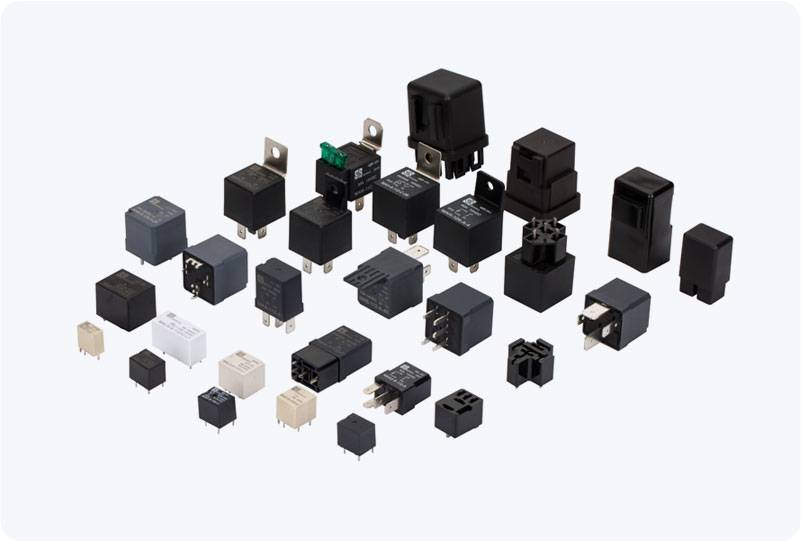
What is an Overload Relay? An overload relay is a safety device designed to protect motors from running under excessive load conditions. It is usually integrated into the motor control circuit alongside other devices like circuit breakers and contactors. The primary function of the overload relay is to detect overcurrent or prolonged high current, which could lead to overheating and potential motor failure. In essence, an overload relay acts as a safeguard by interrupting the motor circuit if the motor experiences an abnormal load or current surge. This interruption occurs before the motor reaches a critical failure point, reducing the likelihood of severe damage to the motor windings and other key components.