An Overload Relay is a crucial component in electrical systems, designed to protect motors and other electrical equipment from damage due to excessive current. These relays are typically integrated into motor protection circuits, ensuring that motors are not subjected to prolonged overcurrent conditions which can lead to overheating, premature failure, or even fire hazards. This article delves into the functionality, types, and applications of overload relays, and why they are indispensable in electrical protection systems.
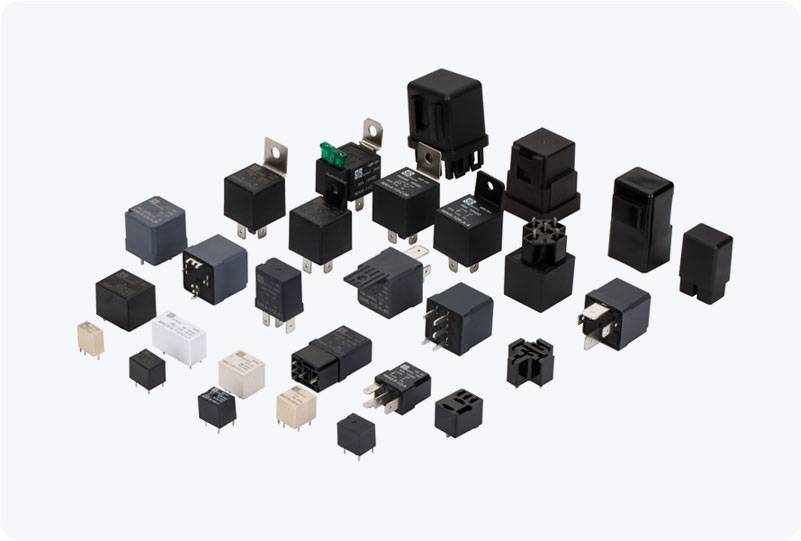
What is an Overload Relay? An overload relay is a safety device that detects when an electrical current exceeds a set limit, thereby preventing electrical appliances, especially motors, from experiencing overcurrent conditions that could cause damage. The overload relay is most commonly associated with electric motors, where it plays a vital role in ensuring the motor operates within its designed limits. In simple terms, an overload relay interrupts the power supply when the current flowing through the motor exceeds its rated value for a certain amount of time. This interruption prevents overheating and potential damage to the motor’s windings, which could lead to costly repairs or replacements.