In the realm of electrical engineering and machinery operations, the importance of safeguarding equipment from electrical faults cannot be overstated. One vital component in achieving this goal is the Overload Protection Relay (OPR). Designed to protect motors and other electrical devices from the damaging effects of excessive current, OPRs serve as a frontline defense against operational hazards that can lead to equipment failure and safety issues.
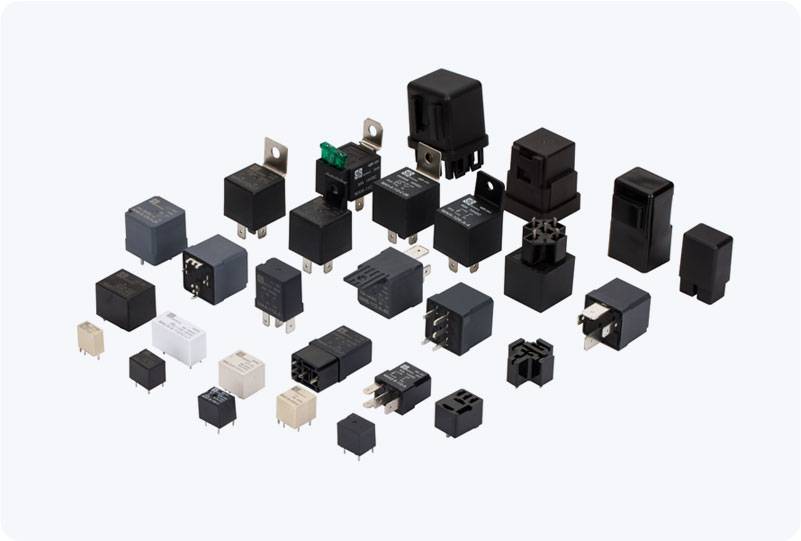
What is an Overload Protection Relay? An Overload Protection Relay is an electromechanical or electronic device that monitors the current flowing through an electrical circuit, specifically in electric motors. When the current exceeds a predefined threshold—indicative of an overload or stall condition—the relay activates to disconnect the power supply to the motor. This action eliminates the risk of overheating and potential catastrophic failure, thereby extending the lifespan of the equipment and ensuring safe operation. How Does it Work? The working principle of an Overload Protection Relay can be broken down into several key steps: