A Normally Open Solenoid Valve (NO solenoid valve) is an essential component in many automation and fluid control systems. These valves play a critical role in regulating the flow of gases, liquids, or steam within industrial and residential applications. The principle behind the operation of a Normally Open Solenoid Valve is quite simple, yet its application is vast and varied. This article explores how NO solenoid valves work, their applications, and the advantages they offer.
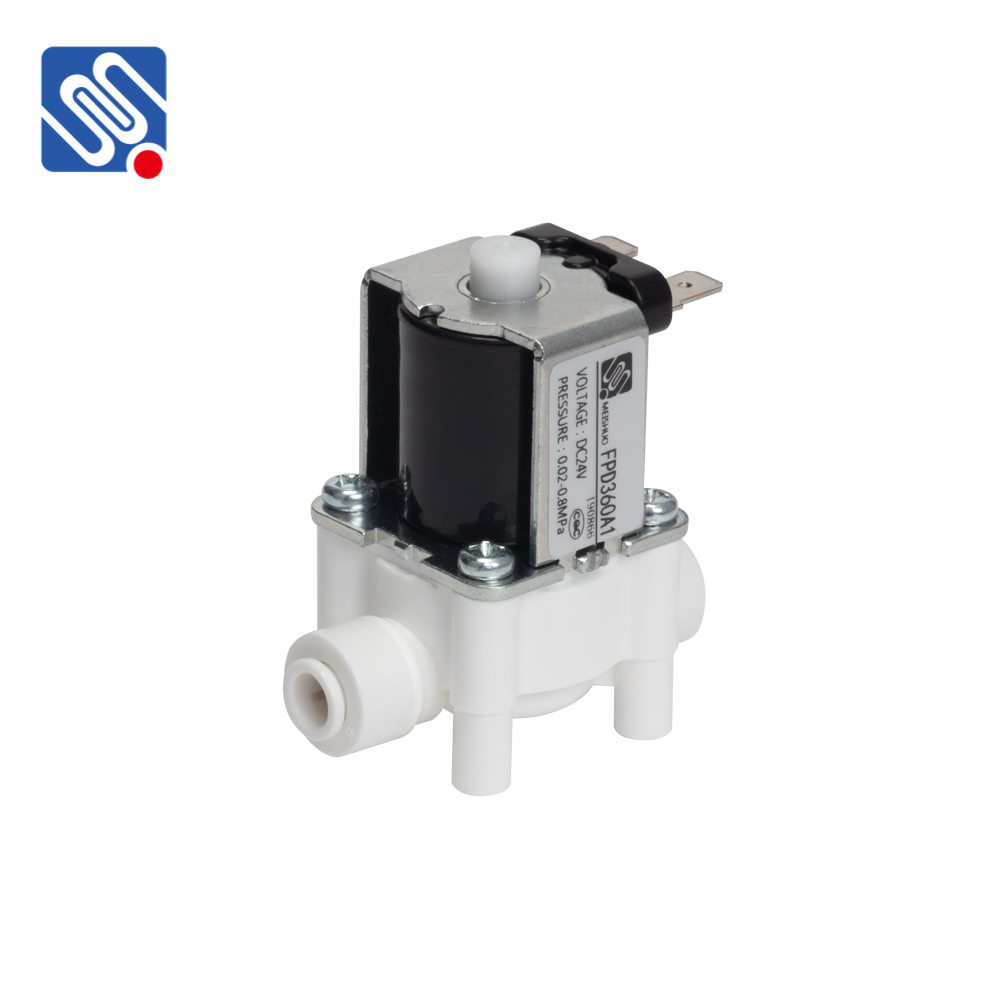
What is a Normally Open Solenoid Valve? A Normally Open (NO) solenoid valve is a type of electrically operated valve that remains open when no electrical power is applied. It only closes when current flows through the solenoid coil, creating a magnetic field that moves the valve’s internal mechanism. This unique feature makes NO solenoid valves ideal for use in systems where the default position should allow the flow of fluids, but closure is required under specific conditions. In essence, the valve consists of a solenoid (electromagnetic coil), a valve body, a movable armature, and a spring. The armature is attracted to the coil when powered, causing the valve to close. When the current is switched off, the spring returns the valve to its open position.