As the world transitions towards sustainable transportation, New Energy Vehicles (NEVs) have increasingly captured the automotive market’s attention. Within this realm, New Energy Vehicle Relays play a pivotal role in ensuring the optimal performance, safety, and efficiency of electric vehicles (EVs) and hybrid vehicles. This article explores the function, types, and importance of these relays while highlighting their contribution to the future of mobility.
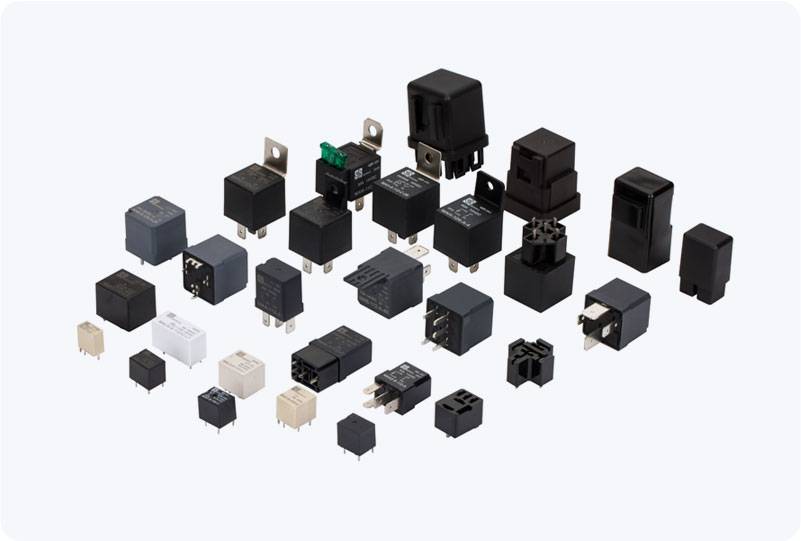
What is a New Energy Vehicle Relay? A New Energy Vehicle Relay is an essential electrical component used in EVs and hybrids to control the flow of electricity in various circuits. They are designed to switch large amounts of electricity on and off, making them crucial for managing high-voltage systems within electric vehicles. These relays act as switches that can be controlled electronically, ensuring the smooth operation of a vehicle’s various systems, from battery management to motor controls. Core Functions of NEV Relays Switching Control: At its core, the relay is responsible for opening and closing circuits. For instance, when the driver engages the vehicle’s acceleration, the relay enables the high-voltage motor to draw power from the battery. This immediate response is crucial for ensuring seamless vehicle performance.