Motor Starter Relays play a pivotal role in the effective and safe control of electric motors in various applications, ranging from industrial machinery to HVAC systems. These devices are crucial in managing the starting and stopping of motors, ensuring not only their efficient operation but also the safety of both the equipment and personnel. This article delves into the function, components, working principle, and applications of Motor Starter Relays to provide a comprehensive understanding of their importance in motor control systems.
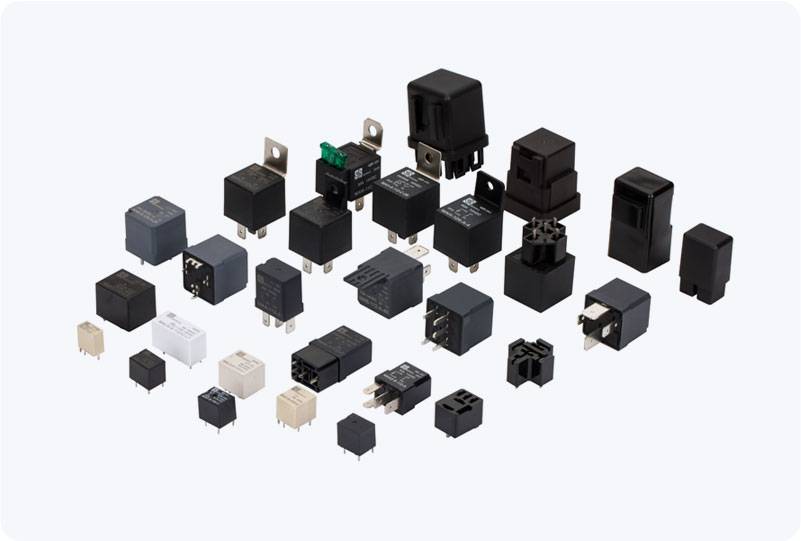
Function of Motor Starter Relay The primary function of a Motor Starter Relay is to control the operation of an electric motor. It enables the motor to start and stop by opening and closing the electrical circuit. When a control signal is received, the relay closes the circuit, allowing current to flow to the motor and initiate its operation. Conversely, when a stop signal is received, the relay opens the circuit, thus cutting power to the motor and halting its operation. Moreover, many Motor Starter Relays include overload protection mechanisms, which prevent the motor from being damaged due to increased current flow, thereby enhancing the motor’s longevity.