Motor Control Power Relay plays a crucial role in the switching and control of electric motors in a variety of industrial and household applications. As the demand for automated systems grows, understanding the functionalities, types, and applications of motor control relays becomes vital for engineers, technicians, and anyone involved in electric motor management.
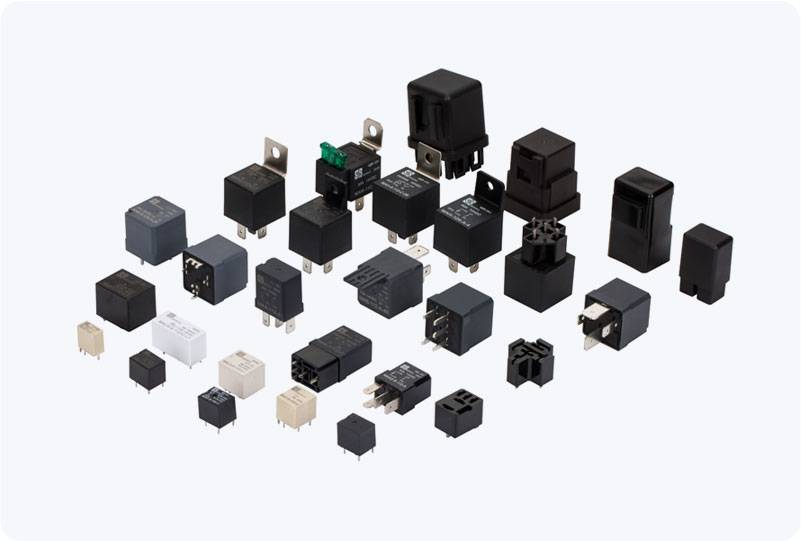
What is a Motor Control Power Relay? A Motor Control Power Relay is an electromechanical device that is used to control the operation of electric motors by opening and closing contacts in response to control signals. These relays act as a switch that can handle high power levels, allowing low-voltage control signals to manage high-voltage motor loads safely. They are essential for providing an efficient way to control the on/off operations of motors in various applications. How Does a Motor Control Power Relay Work? The relay typically consists of an electromagnet, a movable armature, and one or more sets of contacts. When a control voltage is applied to the coil of the electromagnet, it generates a magnetic field that attracts the armature, causing it to move and close the contacts. This action allows electrical current to flow to the motor, initiating its operation. When the control voltage is removed, the magnetic field dissipates, the armature returns to its original position, and the contacts open, cutting off the power supply to the motor.