A Low Voltage DC Relay is a key component in modern electrical systems, particularly in low-voltage DC applications. These relays serve as electrically controlled switches that are activated by a low DC voltage to control larger currents and high-power devices. In this article, we will explore the working principle, applications, advantages, and key considerations when selecting Low Voltage DC Relays for various electronic systems.
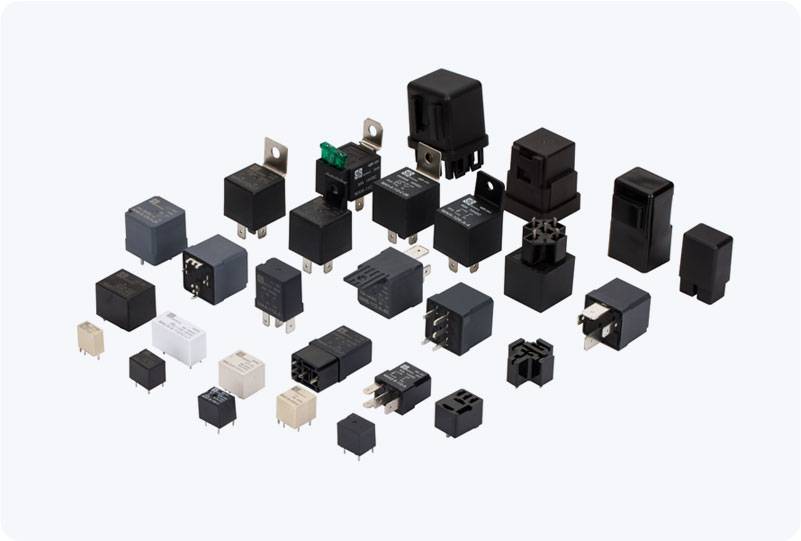
What is a Low Voltage DC Relay? A Low Voltage DC Relay is an electromechanical device that allows a low voltage DC signal to control the switching of higher voltage DC circuits. It typically consists of a coil, a set of contacts, and a spring mechanism. When a voltage is applied to the relay coil, it generates a magnetic field that pulls the contacts together (or pushes them apart) to open or close the circuit. The low voltage applied to the coil is usually 5V, 12V, 24V, or similar, and the relay’s contacts can handle a wide range of current levels for switching larger loads, such as motors, lights, or other equipment.