In the world of electronics, the efficiency and reliability of components play a crucial role in the overall performance of devices. One such essential component is the relay, specifically low-power relays, which have gained significant attention in recent years due to their ability to minimize power consumption while maintaining functionality. This article delves into the features, working principles, advantages, applications, and considerations when choosing low-power relays.
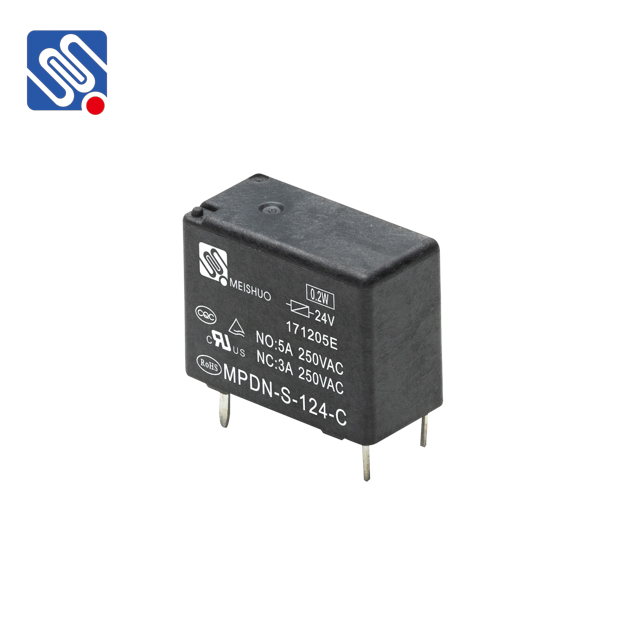
What is a Low-Power Relay? A low-power relay is an electromechanical switch designed to control the flow of electricity in a circuit while consuming minimal power, especially during its activation phase. These relays have been engineered to operate with significantly lower coil currents compared to standard relays, making them ideal for applications that require energy efficiency, such as battery-operated devices and renewable energy systems. Working Principle The fundamental operation of a low-power relay hinges on electromagnetic principles. When the coil of the relay is energized, it creates a magnetic field that pulls a movable armature, opening or closing the circuit contacts. The key distinction between low-power relays and traditional relays lies in the lower voltage and current required to actuate the coil. This lower power requirement results in decreased energy consumption, which is especially beneficial for portable devices.