The importance of workplace safety cannot be overstated, especially in industries where heavy machinery and hazardous energy sources are involved. One essential method to ensure the safety of workers during maintenance operations is the Lockout/Tagout (LOTO) procedure, often facilitated by LOTO devices. These devices play a crucial role in preventing accidental machine activation and ensuring that all energy sources are effectively locked out during maintenance. This article will explore the concept of LOTO devices, their significance, and the procedures involved in effectively implementing a LOTO program.
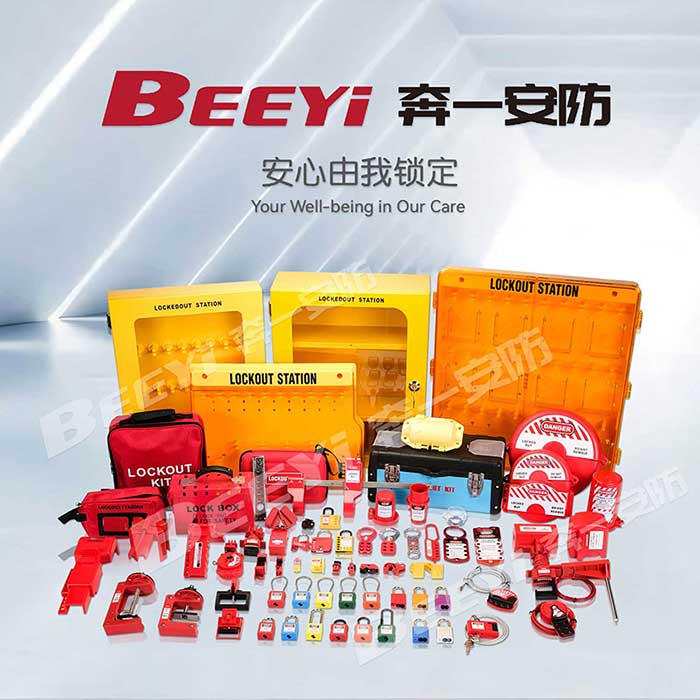
What is a LOTO Device? A LOTO device is a physical tool used in the Lockout/Tagout procedure to secure machinery and equipment during maintenance activities. These devices can come in various forms, including padlocks, hasps, and tags that indicate the machinery is undergoing maintenance. The primary purpose of a LOTO device is to prevent unauthorized operation and ensure only qualified personnel can access the equipment. By locking out energy sources and tagging them to alert others, these devices help create a safer work environment. Why is the LOTO Procedure Important? The LOTO procedure is a legal requirement in many jurisdictions and is considered a best practice in workplace safety. According to data from the Occupational Safety and Health Administration (OSHA), a significant number of workplace injuries and fatalities result from improper control of hazardous energy. Implementing a LOTO program significantly reduces these risks by ensuring that machines are not inadvertently started during maintenance, which can pose serious threats to workers.