Lockout/Tagout (LOTO) is a critical safety protocol used in industrial settings to ensure that machines and equipment are properly shut off and cannot be restarted while maintenance or repairs are being conducted. Central to the success of this program are the lockout tagout padlocks, which serve as both a physical and visual barrier to prevent accidental machine startups that could lead to serious injuries or fatalities. This article explores the importance of lockout tagout padlocks, how they function, and their role in promoting a safer work environment.
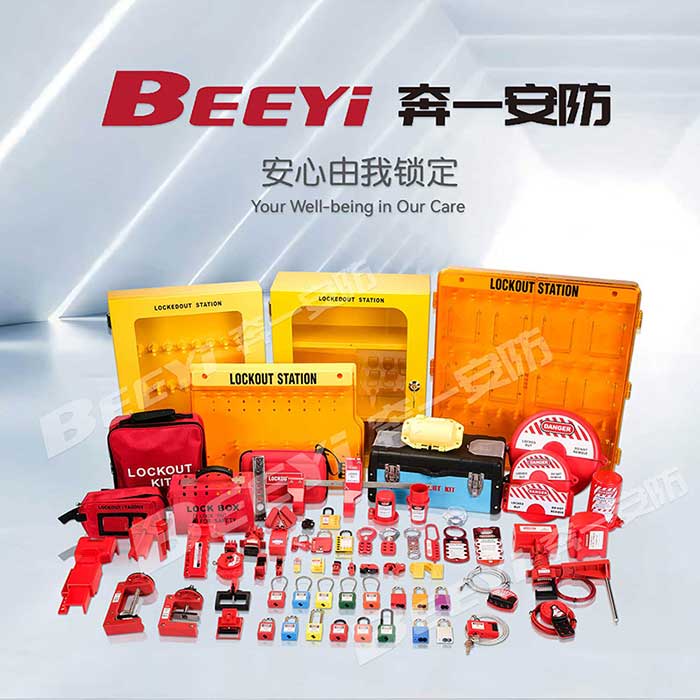
What Are Lockout Tagout Padlocks? Lockout tagout padlocks are specialized locks used in conjunction with the LOTO program to secure energy-isolating devices, such as circuit breakers, valves, and switches. They physically block the ability to operate machinery by locking the control mechanism in place. These padlocks are typically used to prevent the release of hazardous energy (such as electrical, mechanical, hydraulic, or pneumatic) during maintenance or repair work. Additionally, a tag is attached to the lock to provide clear visual identification of the person responsible for the lockout and the work being performed.