Lockout/tagout (LOTO) is a critical safety procedure used across various industries to protect workers from the potential hazards associated with the unexpected release of hazardous energy during equipment maintenance or repair. This safety process involves the use of specific lockout/tagout equipment designed to physically isolate machinery or energy sources, ensuring that workers are protected from electrical, mechanical, hydraulic, pneumatic, or other types of hazardous energy. In this article, we will explore the types of lockout/tagout equipment, their uses, and the importance of proper implementation.
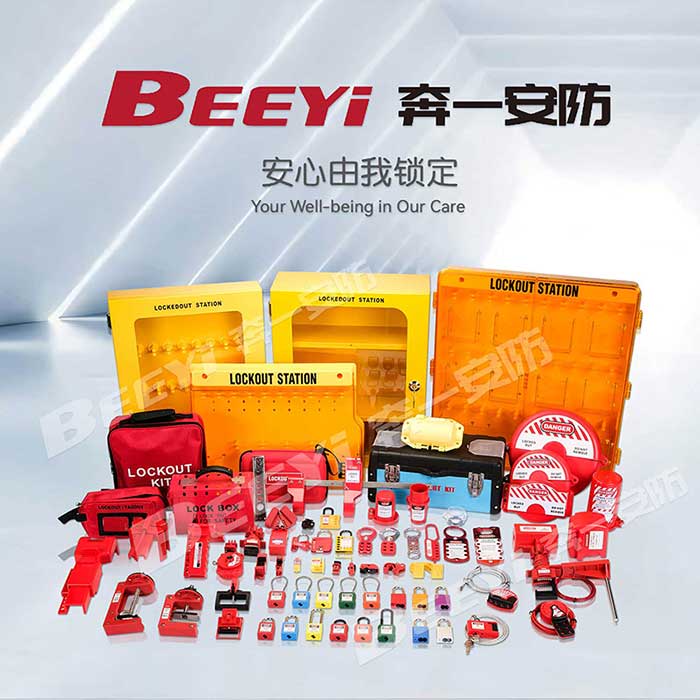
What is Lockout/Tagout Equipment? Lockout/tagout equipment refers to a set of tools and devices used to prevent the unintended release of energy from machines and equipment. The core principle of lockout/tagout is to control hazardous energy by isolating it through physical barriers, typically using locks, tags, or other securing devices. By doing so, workers performing maintenance or repair tasks can be assured that machinery will not start up unexpectedly, which could otherwise cause severe injuries or fatalities. Key Components of Lockout/Tagout Equipment Lockout Devices Lockout devices are the physical locks or mechanisms used to secure energy-isolating devices in a safe position. Common examples include padlocks, valve lockouts, and circuit breaker locks. These devices prevent machinery from being re-energized by securing the switch or valve in the “off” position. Padlocks are commonly used, as they can be easily attached to isolating devices and are tamper-proof.