In the realm of industrial safety, the significance of lockout hasps cannot be overstated. These devices serve a crucial purpose; they ensure that hazardous machinery is properly locked out during maintenance or repair activities. With the increasing demand for effective safety measures in workplaces, particularly in high-risk industries such as manufacturing, construction, and chemical processing, lockout hasps made in China have become a staple in numerous organizations worldwide. This article aims to provide an in-depth understanding of lockout hasps produced in China, focusing on their features, benefits, and relevance in today’s industrial landscape.
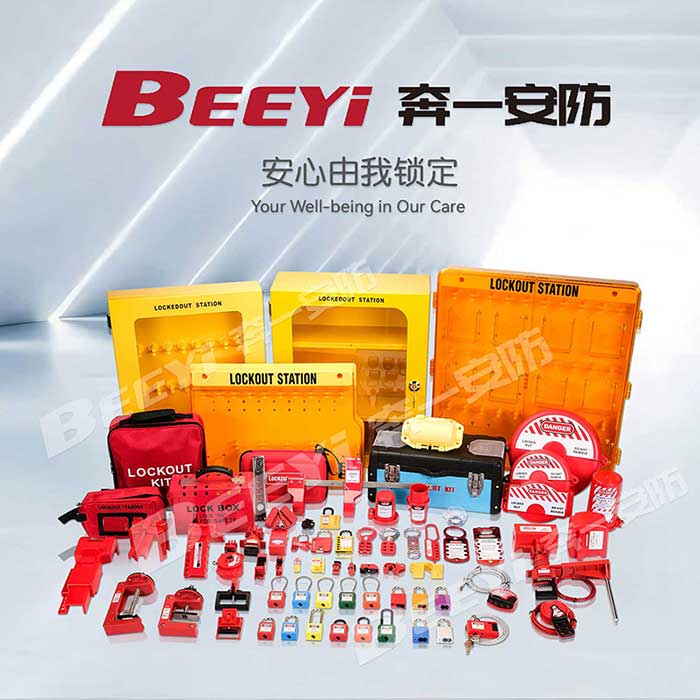
The Role of Lockout Hasps in Safety Protocols Lockout hasps are integral to a comprehensive lockout/tagout (LOTO) program, which aims to prevent accidental machine start-up during maintenance. These devices allow multiple users to apply their own locks to a single energy-isolating device, thereby ensuring that no one can inadvertently start the equipment while someone else is working on it. This not only protects workers but also minimizes the risk of costly accidents and legal liabilities. Manufacturing Standards and Quality Control China is known for its robust manufacturing capabilities, and lockout hasps are no exception. Most manufacturers adhere to international safety standards, such as those set forth by OSHA (Occupational Safety and Health Administration) and ANSI (American National Standards Institute). These regulations dictate that lockout hasps must be made from durable materials capable of withstanding significant force and wear.