In industrial settings, where machinery, equipment, and energy sources could potentially pose safety risks, the implementation of effective safety protocols is essential. One such protocol is the Lockout/Tagout (LOTO) procedure, which aims to prevent accidental machine start-up during maintenance or servicing. A critical component of this process is the use of Lockout Hasps. This article delves into what lockout hasps are, their significance, how to use them, and best practices for ensuring safety in the workplace.
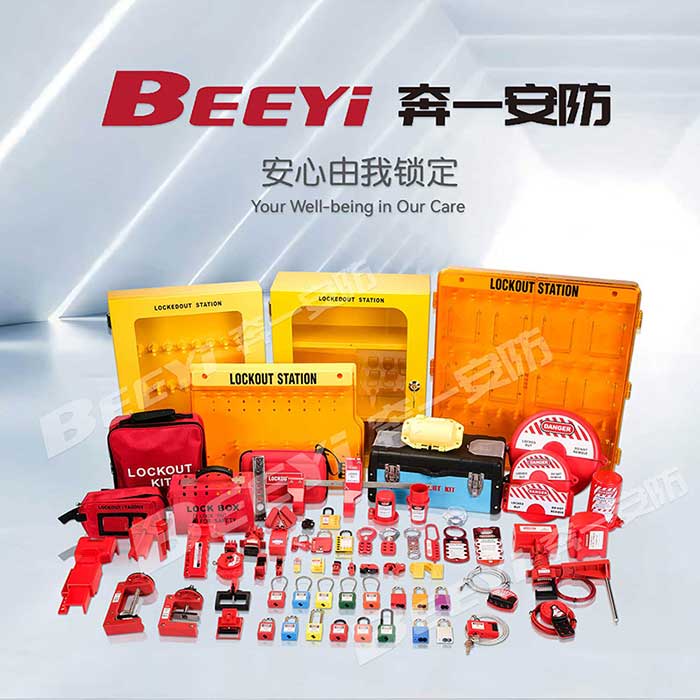
What are Lockout Hasps? Lockout hasps are robust devices designed specifically to help secure machinery during maintenance and service tasks. They function as a physical barrier that prevents machinery from being inadvertently activated while personnel are working on it. Typically constructed from durable materials such as metal or heavy-duty plastic, lockout hasps feature multiple locking points. This allows various employees to attach their individual locks to the same hasp, effectively controlling access to the equipment. Importance of Lockout Hasps The primary role of lockout hasps is to enhance workplace safety by enforcing strict control over hazardous equipment. In many workplaces, several employees may engage in routine maintenance on the same machinery. Lockout hasps enable a reliable locking mechanism to ensure that each worker can secure their individual lock, thereby preventing machine operation during their service. The multi-user feature of lockout hasps is particularly advantageous in environments where collaboration is common, such as factories and maintenance facilities.