Lockout hasps are essential safety tools used in industrial settings to prevent the accidental energization of equipment during maintenance or repair activities. In many workplaces, especially those involving heavy machinery or hazardous electrical systems, ensuring the safety of workers is paramount. Lockout hasps serve as an effective method of controlling the energy sources of equipment, thereby reducing the risk of accidents caused by unexpected start-ups or releases of stored energy. This article will explore the function, importance, and application of lockout hasps, as well as the key factors to consider when implementing them in the workplace.
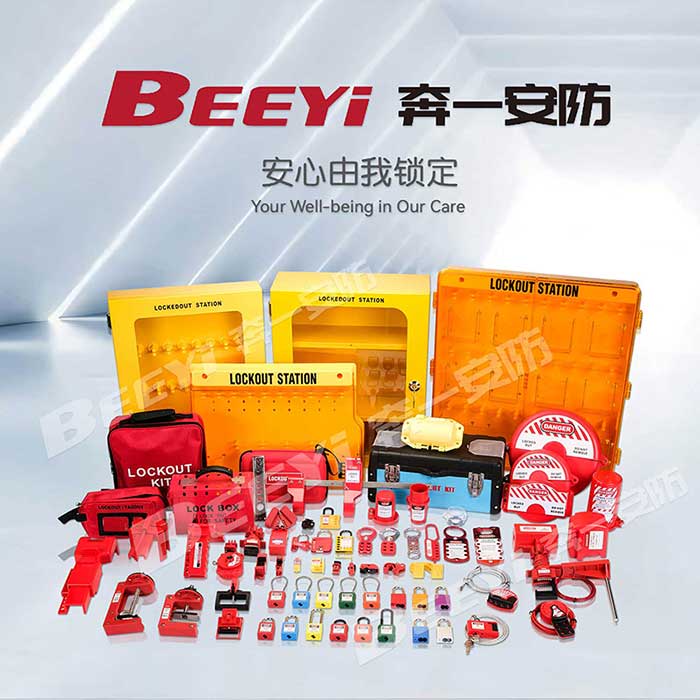
What Are Lockout Hasps? A lockout hasp is a safety device used in conjunction with a lockout/tagout (LOTO) procedure to isolate energy sources on machines or equipment. It typically consists of a metal or durable plastic plate with multiple holes, designed to fit over a locking mechanism of a machine or electrical system. Workers can then place their individual padlocks through these holes, ensuring that only authorized personnel can release the lockout device. This makes lockout hasps particularly useful when multiple workers are involved in a maintenance process, as each worker can secure their own lock, and no one can remove the lockout until all workers have completed their tasks.