In today’s industrial landscape, safety remains a foremost priority for organizations worldwide. Among the various safety tools and practices employed to protect workers, Lockout Hasps play a vital role in enhancing workplace safety, particularly during maintenance and repair operations. This article delves into the functionality, design, and significance of Lockout Hasps in maintaining safe working conditions.
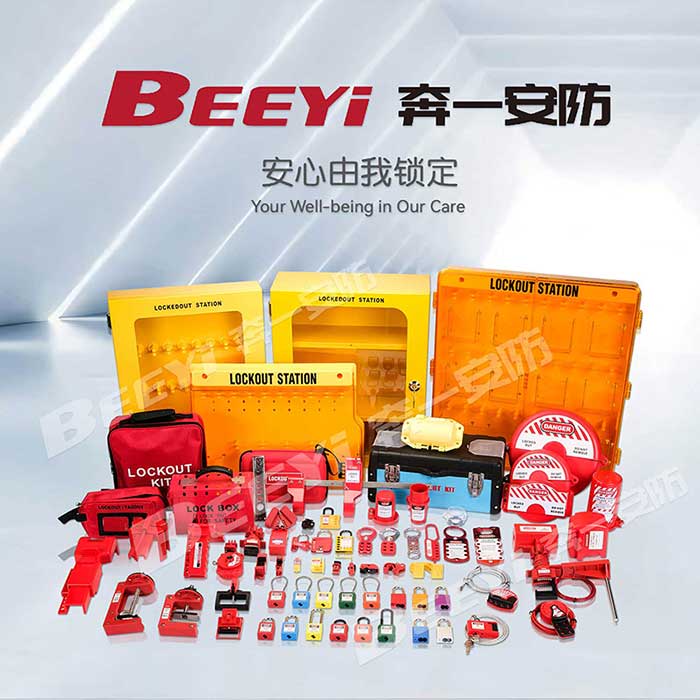
What are Lockout Hasps? Lockout Hasps are specialized safety devices designed to secure equipment during maintenance or servicing by preventing unauthorized access and accidental activation. These devices typically consist of a metal brace with a series of slots or holes for locking mechanisms. They are an integral part of the Lockout/Tagout (LOTO) procedure, which is mandated by the Occupational Safety and Health Administration (OSHA) to ensure that machines cannot be started while they are being serviced. Key Features of Lockout Hasps Durability and Design: Lockout Hasps are often made from robust materials like steel or reinforced plastic, making them resilient against wear and tear. This durability is crucial, as they are used in demanding industrial environments where they may be exposed to various elements, including moisture, chemicals, and rough handling.