In industrial settings, ensuring worker safety during maintenance and repair activities is crucial. One of the most effective ways to protect employees from the dangers of accidental equipment startup is through the use of safety devices such as Lockout Hasps. These devices play a critical role in lockout/tagout (LOTO) procedures, which are designed to prevent workplace injuries caused by the unexpected energization or startup of machinery and equipment. In this article, we will explore what Lockout Hasps are, how they work, and why they are so important for maintaining a safe working environment.
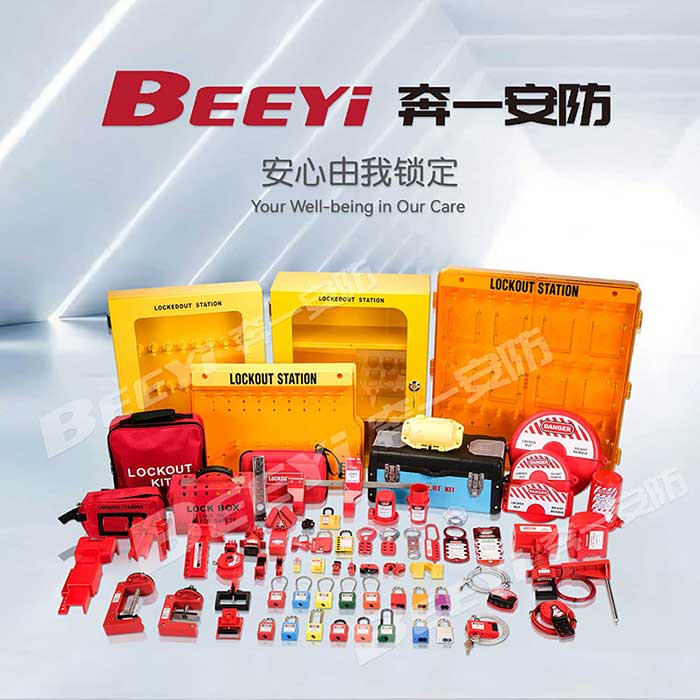
What is a Lockout Hasps? A Lockout Hasp is a safety device used in industrial environments to lock out equipment during maintenance or servicing. It essentially acts as a physical barrier to prevent machines from being powered on while they are being worked on. The device consists of a metal ring or hook that attaches to the control switch of a machine, such as an electrical disconnect switch, and it features multiple lock holes where individual locks can be applied. Lockout Hasps are typically used when more than one worker is involved in maintenance on the same equipment. By using multiple locks, each worker can ensure that the equipment remains off until their work is completed and their lock is removed. This shared lockout system significantly enhances safety during collaborative maintenance tasks.