Lock tags play a crucial role in various safety and security systems, particularly in industries like manufacturing, electrical work, and data management. These simple yet effective devices ensure that equipment, machines, and digital systems are securely locked or tagged, preventing unauthorized access, protecting workers, and maintaining the integrity of sensitive data. In this article, we will explore the importance of lock tags, their different applications, and the systems they integrate into, emphasizing their critical role in safety and security management.
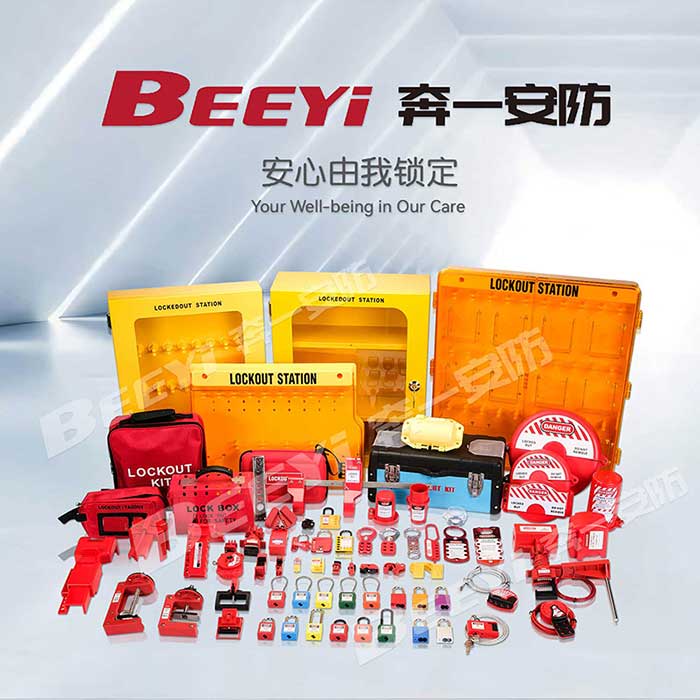
What Are Lock Tags? Lock tags are physical or digital markers used to indicate the status of a lock or to prevent unauthorized access to equipment or data. In industrial settings, lock tags are often used as part of a lockout/tagout (LOTO) program, which is designed to protect workers from accidental injury while maintaining or servicing machinery. In computer systems, lock tags may represent a unique identifier for data being locked for exclusive access by a process or transaction, preventing conflicts in concurrent operations. Lock Tags in Industrial Settings One of the most common applications of lock tags is in the field of industrial safety, specifically in lockout/tagout (LOTO) procedures. These procedures are part of a broader safety program that ensures equipment is properly shut off and cannot be accidentally turned on during maintenance or repair work.