In today’s fast-paced industrial environment, safety must always be a priority. One essential strategy for maintaining workplace safety is the use of lock out tags, which play a critical role in protecting workers from accidental machine start-ups or hazardous energy releases during maintenance and servicing activities. This article delves into the concept of lock out tags, their importance, best practices, and the implications of not using them effectively.
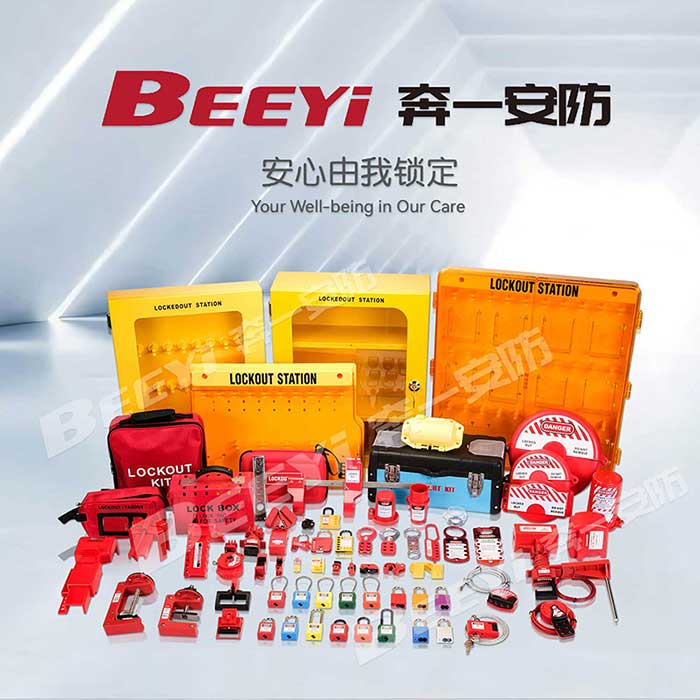
Lock out tags, also known as lockout/tagout (LOTO) devices, are critical components of an energy control program. They are used to visually communicate that an equipment or machinery is out of operation and has been locked out. The purpose of these tags is to prevent unauthorized personnel from re-energizing the machine while maintenance work is ongoing, thereby safeguarding the technicians and operators involved in the task. Federal regulations, particularly those set by OSHA (Occupational Safety and Health Administration) in the United States, outline the necessity of implementing a lockout/tagout program to ensure compliance and protect workers’ health and safety.