Lock out tags, often part of a comprehensive Lockout/Tagout (LOTO) program, are critical tools used in industrial and maintenance settings to prevent accidents during equipment servicing. These devices play a central role in ensuring that workers are protected from the accidental release of hazardous energy. While the concept may seem straightforward, lock out tags are a crucial part of workplace safety, particularly in environments where machinery and electrical systems pose a significant risk. This article explores the importance of lock out tags, how they are used, and why they are essential for creating a safe work environment.
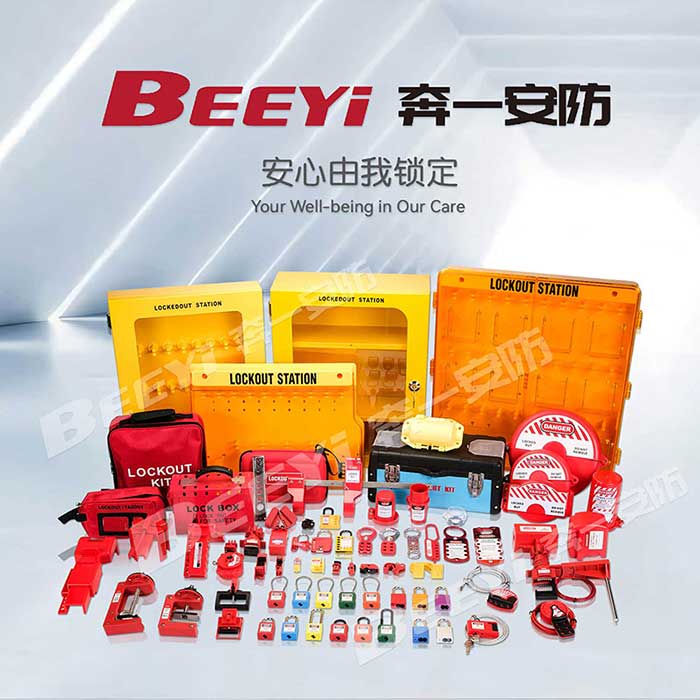
What Are Lock Out Tags? Lock out tags are part of a safety system designed to control hazardous energy during maintenance, repair, or cleaning of equipment. They are typically used in conjunction with physical locks and other devices to ensure that equipment cannot be unintentionally started or energized while workers are performing their tasks. The tags themselves are usually warning labels that are attached to equipment, indicating that it is under lockout and should not be operated. The tag typically includes key information such as the identity of the person who applied the lockout, the date of application, and a warning that the equipment is out of service. The primary function of the tag is to communicate to other employees that the equipment is being serviced and must not be operated under any circumstances. This communication is essential in preventing misunderstandings and protecting workers from harm.