Lockout-Tagout (LOTO) is a critical safety procedure implemented in workplaces, especially in industrial and manufacturing environments, to prevent accidental energy release during maintenance activities. This process involves using specialized lockout devices and warning tags to ensure that machinery and equipment are properly shut down and cannot be inadvertently restarted, protecting workers from potentially life-threatening hazards. Among the key elements of this system are the lock out tag out tags, which play a vital role in alerting personnel to the status of equipment and the presence of maintenance activities. In this article, we will explore the importance of Lockout-Tagout tags, the procedures for their use, and how they contribute to worker safety.
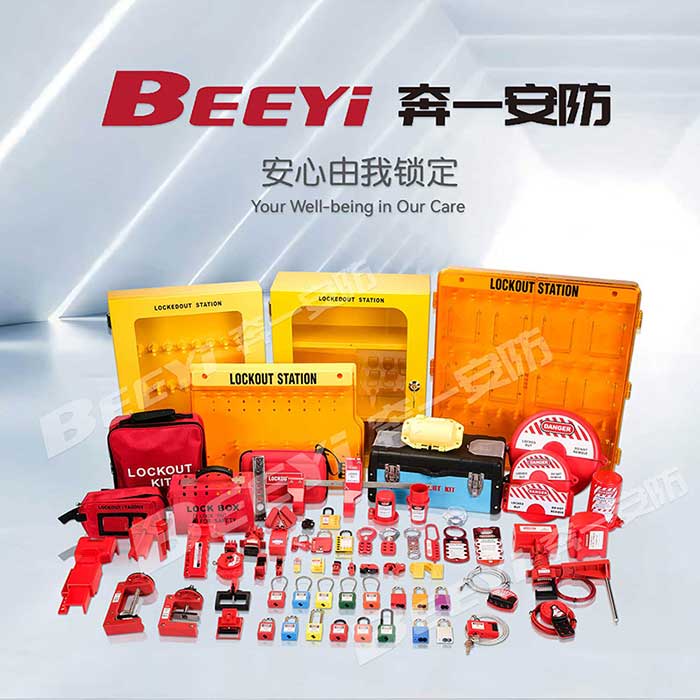
What Are Lock Out Tag Out Tags? Lockout-Tagout tags are safety labels or signs that are attached to energy-isolating devices in machinery or equipment. These tags serve as a clear visual warning to inform workers that the equipment is undergoing maintenance or repair and should not be operated under any circumstances. Unlike lockout devices, which physically secure energy sources such as switches or valves, tags provide additional communication and warning about the hazards associated with the equipment. The use of Lockout-Tagout tags is mandated by the Occupational Safety and Health Administration (OSHA) and other safety regulatory bodies around the world. The tags typically feature important information such as the worker’s name, the date the lockout was performed, and the reason for the maintenance. They are essential for reducing the risk of accidental machine startups, which could lead to serious injuries or fatalities.