Lockout/Tagout (LOTO) is a crucial safety procedure designed to protect workers from hazardous energy while performing maintenance or repairs on machinery and equipment. It is an essential part of industrial safety programs, ensuring that workers are not exposed to the dangers of unexpected machine startups or the release of stored energy. In this article, we will explore what Lockout/Tagout is, its key components, and why it is vital for workplace safety.
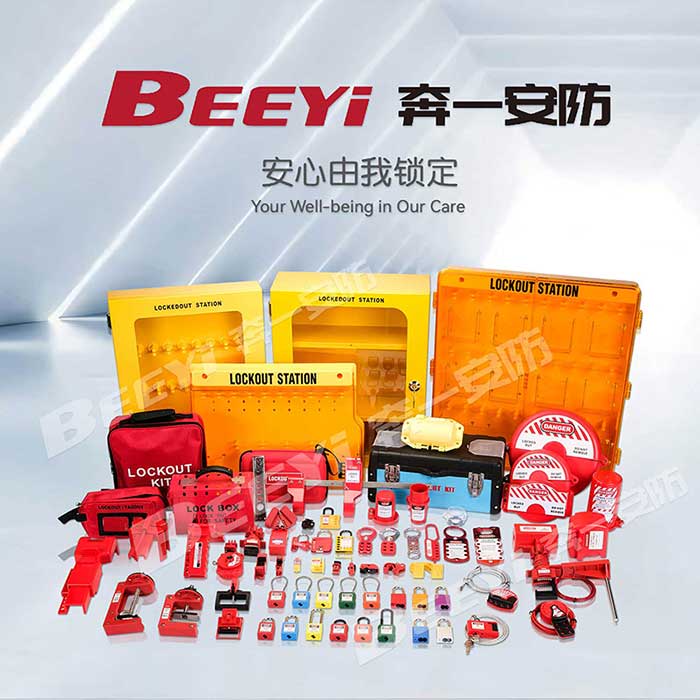
What is Lockout/Tagout (LOTO)? Lockout/Tagout refers to a set of procedures used to isolate energy sources from machines or equipment during maintenance or repair work. The term “lockout” refers to the physical act of locking an energy isolation device to prevent accidental activation, while “tagout” involves placing a warning tag on the equipment to indicate that it should not be operated. The primary purpose of these procedures is to ensure that machinery and equipment cannot be turned on or activated while a worker is in a hazardous area, thereby preventing injuries caused by the accidental release of energy, such as electrical shock, moving parts, or pressure.