In industrial and manufacturing environments, the fundamental principle of worker safety revolves around the proper handling of machinery and equipment during maintenance and repair tasks. One of the key safety protocols that play a crucial role in ensuring this safety is the Lock Out Tag Out (LOTO) procedure. Lock Out Tag Out locks, specifically, are vital components of this protocol, designed to prevent accidental machine operation and ensure the safety of maintenance personnel. This article explores the concept and importance of Lock Out Tag Out locks, the processes involved, and the legal implications related to their use.
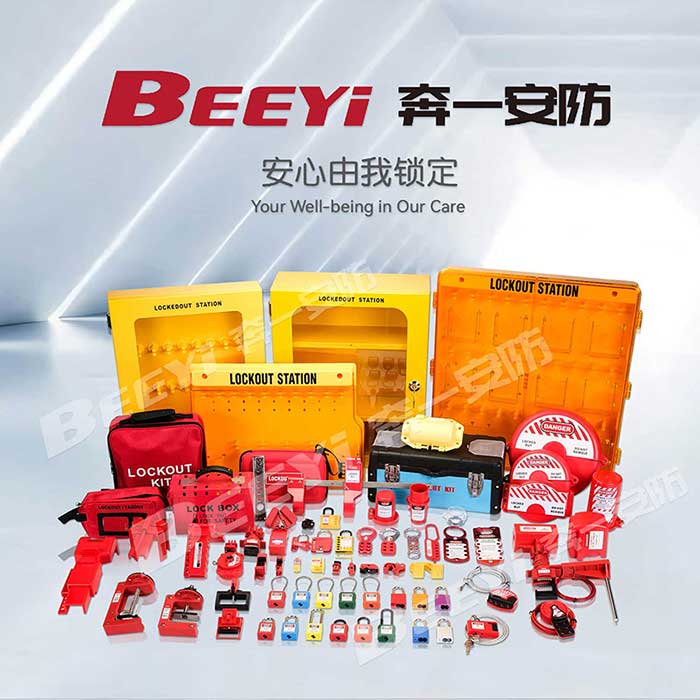
What are Lock Out Tag Out Locks? Lock Out Tag Out locks are specialized padlocks and locking devices that are used to secure the energy isolation points of machinery and equipment. This ensures that unauthorized personnel cannot operate the machinery while maintenance or repair tasks are being conducted. Lock Out locks work in conjunction with identification tags that inform others of the ongoing maintenance activity and warn them not to operate the machinery. The Need for Lock Out Tag Out Procedures The necessity for LOTO procedures stems from the need to protect workers from hazardous energy sources, which can include electrical, mechanical, hydraulic, pneumatic, chemical, thermal, or other forms of energy. When equipment is not properly locked out, there is a significant risk of accidental machine startups or the unintended release of stored energy, which can lead to serious injuries or fatalities. According to the Occupational Safety and Health Administration (OSHA), there are thousands of injuries related to uncontrolled energy per year, underscoring the critical role of LOTO in workplace safety.