In the world of modern electronics, energy storage is a critical component that powers everything from smartphones to electric vehicles (EVs). Among the various types of batteries used in these applications, Li-ion (Lithium-ion) batteries are widely preferred due to their high energy density, long lifespan, and light weight. However, like any other battery technology, Li-ion batteries require proper management to ensure safety and maximize their performance. This is where the Li-ion Battery Relay comes into play. It plays a crucial role in managing the charging and discharging cycles of the battery, preventing damage from overcharging, undercharging, and short circuits. In this article, we will explore the functionality of a Li-ion Battery Relay, its working principle, and its importance in battery management systems.
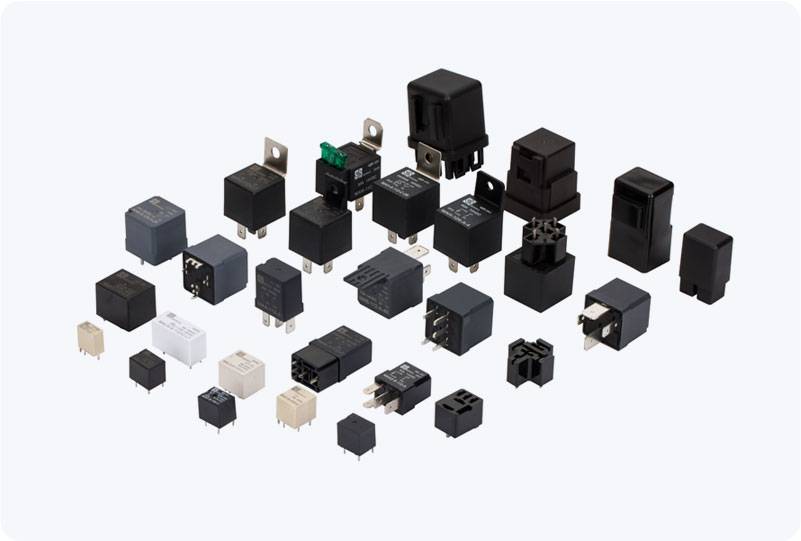
What is a Li-ion Battery Relay? A Li-ion Battery Relay is an electronic switching device used to control the flow of electricity within a Li-ion battery system. Essentially, it acts as a high-power switch that either allows or interrupts the connection between the battery and the rest of the electrical system, such as a powertrain in an electric vehicle or a load in a renewable energy storage system. The relay’s primary function is to open and close electrical circuits based on various operational parameters like voltage, current, and temperature. When an issue such as overvoltage, undervoltage, or an overheating condition is detected, the relay disconnects the battery from the system to protect it from damage.