Latching relays, also known as bistable relays, are a unique type of electromagnetic switch that offers a distinct advantage over conventional relays. Unlike regular relays that require a continuous current to maintain their switched position, latching relays “remember” their state even after the control current is removed. This characteristic makes them highly beneficial in various applications where energy efficiency and reliable state retention are crucial. In this article, we will explore what latching relays are, how they work, their benefits, and where they are commonly used.
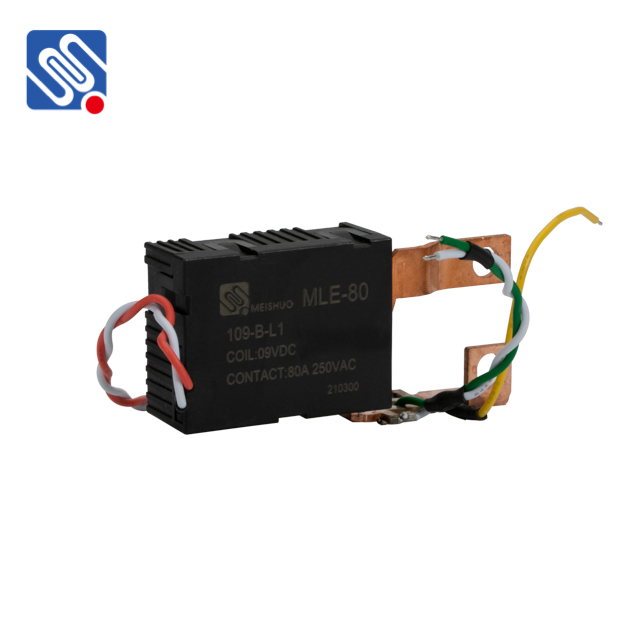
What is a Latching Relay? A latching relay is an electromechanical relay that has two stable states—usually “on” and “off.” It is designed to switch between these states when it receives a specific pulse or signal. Unlike traditional relays, which require a continuous supply of current to maintain their position, latching relays retain their last state until a pulse is received to change it. This feature allows latching relays to consume significantly less power compared to conventional relays, which is especially beneficial in energy-sensitive applications. Working Principle of a Latching Relay