Industrial relays are crucial components in modern automation and control systems, playing an essential role in the safe, efficient operation of machinery and electrical equipment. These electromechanical devices serve as intermediaries in controlling larger electrical circuits with low-power input signals, often used to automate processes, protect equipment, and ensure safe operations. In this article, we will explore what industrial relays are, how they function, their various types, applications, and important considerations when selecting them for industrial purposes.
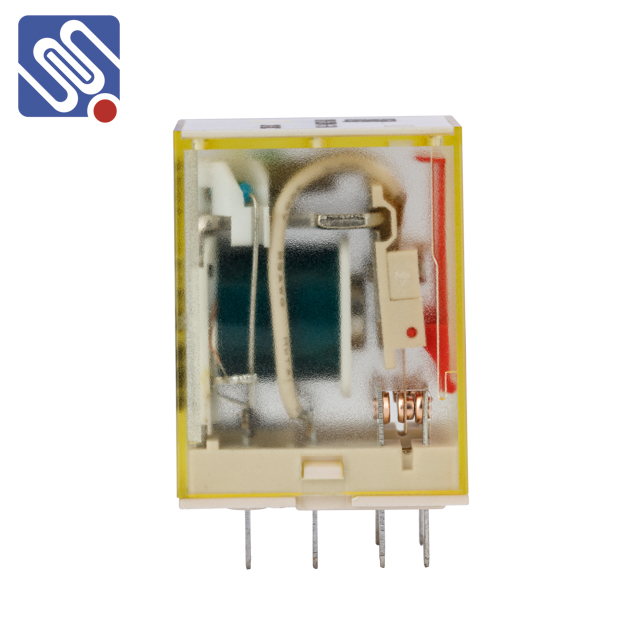
What Is an Industrial Relay? At its core, an industrial relay is an electrically operated switch that allows a low-voltage control circuit to switch a higher-power circuit on or off. The relay consists of an electromagnet (also known as a coil), a set of contacts, and a mechanical armature. When the control circuit energizes the coil, it generates a magnetic field that activates the relay’s armature, causing the contacts to close or open, depending on the design. This mechanism makes it possible to control large currents with small control signals. How Do Industrial Relays Work? Industrial relays work based on the principle of electromagnetism. When an electric current flows through the coil, a magnetic field is generated, which attracts or repels the armature, a mechanical part that moves the relay’s contacts. Depending on the design, these contacts can either open (disconnecting the circuit) or close (completing the circuit). The contacts are typically categorized into “normally open” (NO) and “normally closed” (NC), and they allow for a variety of switching operations in response to different input conditions.