In the realm of industrial safety, maintaining a secure working environment is paramount, particularly when it comes to managing hazardous energy sources. One of the most critical tools in ensuring this safety is the use of Industrial Pneumatic Lockouts. These devices play an essential role in preventing accidental machine start-ups, thereby protecting workers from potential injuries while they conduct maintenance or repair tasks. This article explores the significance, functionality, and implementation of Industrial Pneumatic Lockouts in various industrial settings.
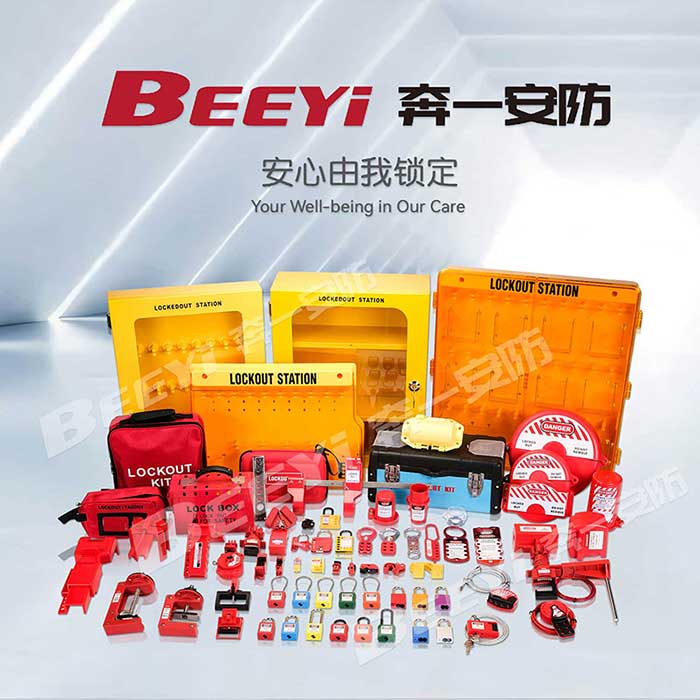
The Importance of Pneumatic Lockouts Industrial environments often utilize pneumatic systems that rely on compressed air to operate machinery and tools. However, these systems pose safety risks if not properly managed. Accidental activation of pneumatic equipment can lead to serious injuries. According to the Occupational Safety and Health Administration (OSHA), more than 10% of workplace injuries are related to equipment failures or mishandling. Utilizing pneumatic lockouts is a proactive measure that helps mitigate these risks by ensuring that machinery remains in a safe state during maintenance.