In the realm of industrial operations, the safety of employees is paramount. One of the critical safety protocols designed to protect workers from accidents during machinery maintenance is known as Lockout/Tagout (LOTO), specifically related to industrial electrical equipment. This safety procedure is not only a best practice but also a regulatory requirement in many countries. Understanding LOTO and its application in industrial electrical equipment is essential for fostering a secure working environment.
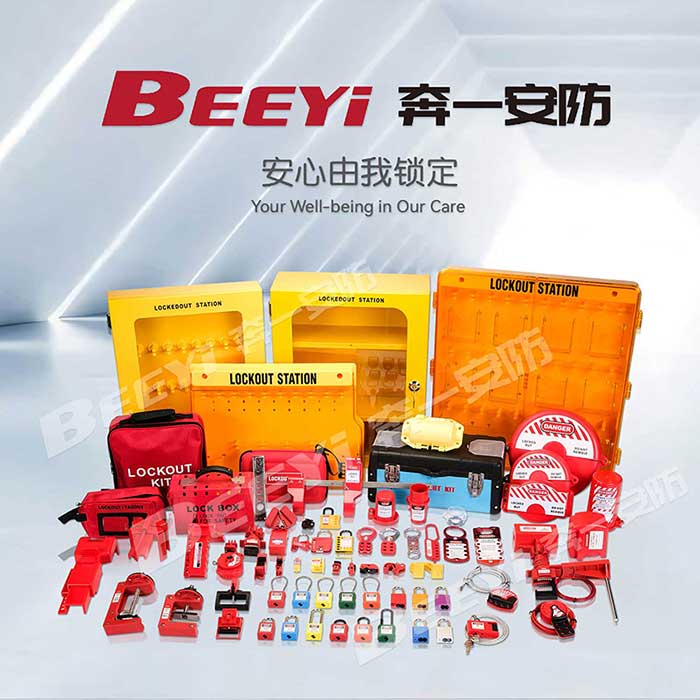
What is Lockout/Tagout? Lockout/Tagout refers to a safety protocol that prevents the unexpected energization or startup of machinery and equipment during maintenance operations. The term encompasses two primary components: “Lockout” and “Tagout.” Lockout involves physically isolating energy sources, while Tagout refers to placing warning tags on machines that indicate they should not be operated. The Importance of LOTO The significance of LOTO procedures cannot be overstated. Machinery and equipment in an industrial setting often contain various energy sources, including electrical, mechanical, hydraulic, pneumatic, and thermal. If these machines are inadvertently energized while maintenance or repair work is being performed, the consequences can be catastrophic, leading to severe injuries or even fatalities. By implementing a lockout/tagout program, organizations can significantly reduce the risk of such incidents, ensuring the safety and well-being of their workforce.