Industrial relays play a critical role in ensuring the reliable and safe operation of electrical systems across industries. Whether in power distribution, automation, or control systems, relays act as essential components that monitor electrical circuits and provide protection against faults such as short circuits, overloads, and electrical surges. The IEEE Standards for Industrial Relays are a set of guidelines that govern the design, testing, and implementation of relays, ensuring their effectiveness in various industrial applications. These standards, developed by the Institute of Electrical and Electronics Engineers (IEEE), serve as benchmarks for manufacturers and engineers, promoting safety, reliability, and interoperability in industrial systems.
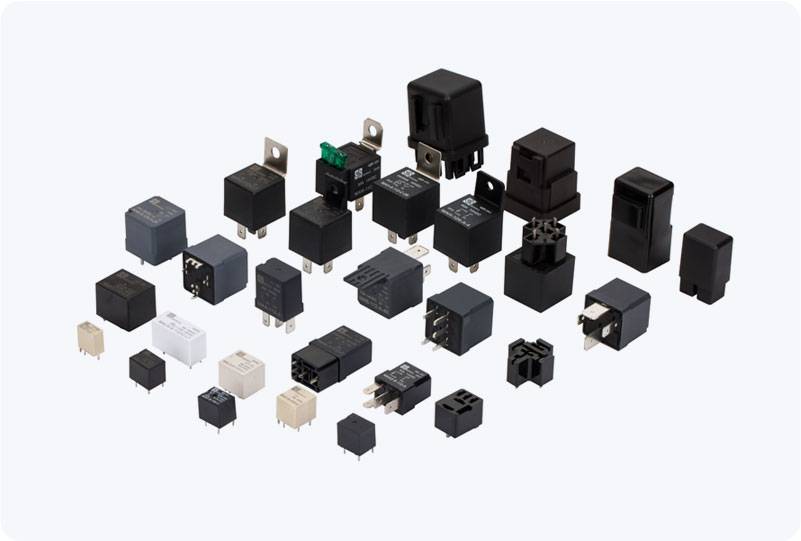
Importance of IEEE Standards in Industrial Relay Applications The primary purpose of IEEE standards for industrial relays is to ensure that these devices operate under consistent and reliable conditions, even in challenging environments. These standards address several critical aspects of relay technology, such as performance, testing, environmental suitability, and electromagnetic compatibility. The application of IEEE standards helps prevent failure, enhance the efficiency of electrical systems, and mitigate risks related to electrical faults. Key IEEE Standards for Industrial Relays