As the automotive industry continues to embrace advanced electronic systems and automation, the need for robust safety standards has never been more critical. One such standard is IEC 61508, an international guideline focused on the functional safety of electrical, electronic, and programmable electronic systems. This standard is particularly relevant in the context of automotive relays, as these components play a crucial role in ensuring the operational integrity of modern vehicles. This article explores the significance of IEC 61508 compliant automotive relays, their design features, and their impact on vehicle safety.
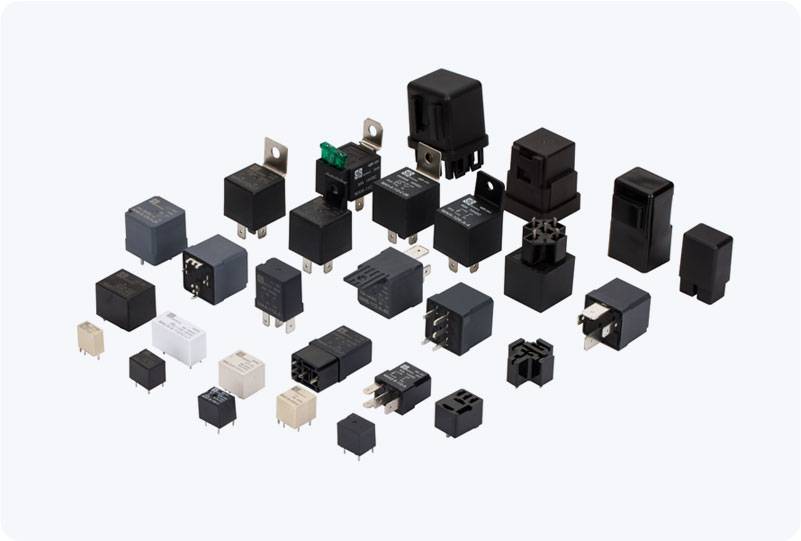
What is IEC 61508? IEC 61508 is a comprehensive standard that provides a framework for the design, development, and management of safety-related systems. It addresses the entire safety lifecycle, from concept and requirements through to design, implementation, verification, and maintenance. The primary goal of IEC 61508 is to minimize risks associated with system failures, thereby ensuring that safety functions are maintained even in the event of faults. It is applicable to various industries, but its implications are increasingly vital in the automotive sector, especially with the rise of autonomous and semi-autonomous vehicles.