In the ever-evolving world of electrical engineering, safety remains a paramount concern, especially as we implement high-voltage systems in power plants, substations, and industrial applications. Among the myriad of protective devices designed to safeguard electrical equipment, the Hydrogen Gas Arc Extinguishing Relay stands out as a crucial component. This article will delve into its functionality, operational principles, advantages, and its significance in ensuring the reliability and safety of electrical systems.
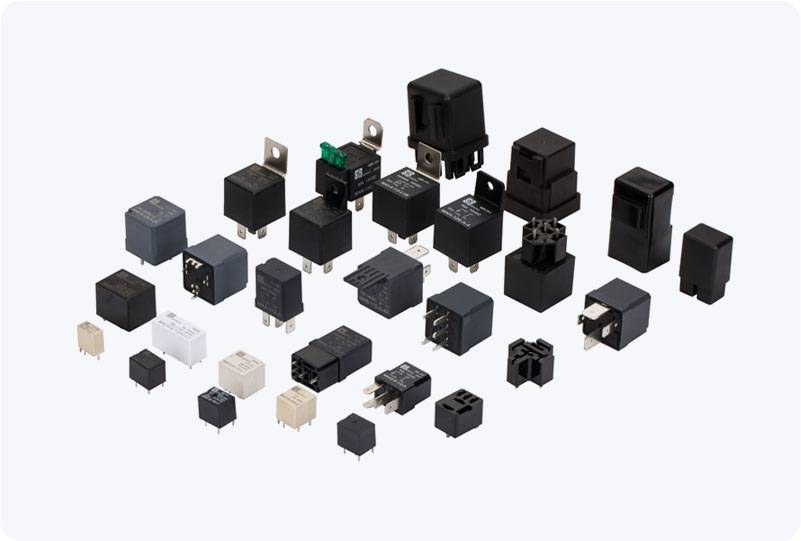
The Basics of Arc Faults Before we explore the Hydrogen Gas Arc Extinguishing Relay, it is essential to understand what an arc fault is. An electrical arc occurs when electricity jumps through the air between conductive materials. This can happen due to insulation failure, equipment malfunction, or external influences such as moisture and dust. Arcs generate significant heat and can lead to catastrophic failures, damaging equipment and posing fire hazards. Protecting against such scenarios is critical, particularly in high-stakes environments. Functionality of Hydrogen Gas Arc Extinguishing Relay